

Nov . 29, 2025 19:50 Back to list
Hanging Canopy Mosquito Net – Effective Global Protection Against Mosquito-Borne Diseases
Hanging Canopy Mosquito Net: A Simple Solution with Global Impact
Mosquitoes may be tiny, but their impact on global health and well-being is anything but small. Enter the hanging canopy mosquito net — a humble mesh shield with a surprisingly powerful role worldwide. Whether in tropical bedrooms, makeshift shelters, or emergency camps, this simple tool is preventing millions of bites, and saving countless lives from mosquito-borne diseases. Understanding its design, use, and innovations helps us appreciate how such a low-tech solution fits into big-picture health, humanitarian, and environmental strategies.
The Global Relevance of Hanging Canopy Mosquito Nets
According to the World Health Organization (WHO), mosquito-borne diseases such as malaria affect over 200 million people annually, with nearly 400,000 deaths each year – mostly vulnerable children and pregnant women in sub-Saharan Africa and Southeast Asia. The UN’s Sustainable Development Goals push for reducing these deadly illnesses by promoting affordable and effective protections, especially in low-income regions.
A hanging canopy mosquito net becomes more than bedroom décor; it’s a frontline defense against disease. This netting solves a real challenge: how to create a physical barrier that stops mosquitoes without relying solely on chemical sprays or expensive technology. The demand for accessible, durable, and comfortable mosquito nets has never been greater.
Mini takeaway:
Low-cost hanging canopy mosquito nets are a key part of global health efforts, accessible to millions, and vital to reducing mosquito-transmitted diseases.
What Exactly Is a Hanging Canopy Mosquito Net?
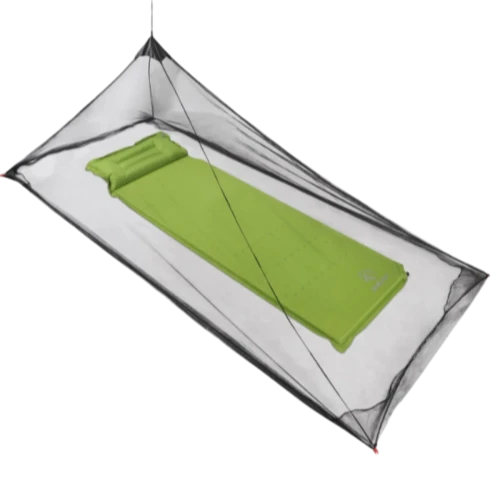
At its simplest, a hanging canopy mosquito net is a fine mesh screen usually suspended from or around the ceiling to drape over a sleeping area. It physically prevents mosquitoes and other insects from reaching people while they rest.
Think of it as a lightweight, breathable tent that doesn’t block airflow but acts as a shield. Its connection to modern humanitarian and industrial needs lies in its versatility—used from rural huts to high-tech relief tents. Beyond individual comfort, it’s an established preventative measure endorsed by health organizations worldwide.
Core Components and What to Look For
1. Durability
Nets need to withstand daily use, repeated washing, and sometimes harsh weather conditions. Materials like polyester and polyethylene are common because they offer a balance of strength and lightness.
2. Mesh Size and Weave Density
The mesh must be fine enough to stop tiny mosquitoes without suffocating air circulation. Typical hole sizes range around 156-200 holes per square inch, allowing breathability while blocking vectors effectively.
3. Ease of Installation
Whether in permanent homes or temporary shelters, the hanging system should be simple — strings, hoops, or fold-flat designs make setup quick and feasible for non-experts.
4. Treatment & Protection
Some nets are treated with insecticides like permethrin which increase their efficacy but require regulatory compliance and safe handling.
5. Size and Coverage
From single beds to larger family-sized nets, dimensions vary widely to suit varied needs. Size impacts portability — a factor in disaster zones or remote work sites.
Mini takeaway:
The ideal hanging canopy mosquito net balances durability, mesh quality, ease of use, and sometimes chemical treatment — making it fit for diverse real-world conditions.
Global Applications: From Homes to Humanitarian Zones
In rural African villages, hanging canopy mosquito nets are often the only affordable way to stop infections, save lives, and improve sleep quality. NGOs roll them out with education campaigns to maximize use and maintenance.
In disaster relief scenarios — think flooding or refugee camps — large, easy-to-deploy mosquito nets become protection hubs in tents. In industrial zones like mining or agriculture, workers use them to avoid vector-borne illness during overnight shifts.
Curiously enough, even urban households in endemic zones increasingly adopt hanging canopy mosquito nets as part of sustainable, chemical-free mosquito control strategies.
Advantages & Long-Term Value of Hanging Canopy Mosquito Nets
- Cost-effective protection: Nets are affordable to produce and distribute, especially when compared with ongoing treatment programs or hospital bills.
- Sustainability: High-quality nets last for years, requiring minimal energy or resources to use.
- Social dignity: Offering safe sleeping environments improves quality of life and community trust in health projects.
- Reliability & Innovation: Combining traditional mesh with treated fabrics ensures mosquitoes don’t develop resistance quickly.
Emotionally, there’s comfort in a peaceful sleep without buzzing threats. Logically, it’s an elegant solution that marries science and simplicity.
Product Specifications Table
| Specification | Standard Value | Notes |
|---|---|---|
| Material | Polyester / Polyethylene | Water-resistant, durable |
| Mesh Size | 156-200 holes/in² | Optimized for airflow & insect blocking |
| Dimensions | Single to King-size (2x2m to 3x6m) | Varies by model |
| Insecticide Treatment | Optional (permethrin or deltamethrin) | Compliance with WHO guidelines |
| Weight | 150-300 grams | Light enough for easy transport |
Vendor Comparison: Finding the Right Supplier
| Vendor | Product Variants | Price Range (USD) | Insecticide Options | Lead Time |
|---|---|---|---|---|
| NetCare Solutions | 3 Sizes, color options | $8 - $18 | Permethrin treated | 2 weeks |
| SafeSleep Tech | Custom sizes available | $15 - $30 | Untreated or treated | 1 week |
| GlobalShield | Standard sizes only | $6 - $14 | Deltamethrin treated | 3 weeks |
Looking Ahead: Innovations and Future Trends
Technology’s creeping into every facet of mosquito netting. Nanotech-enhanced fibers promise ultra-thin nets with the same strength. Eco-friendly insecticide treatments made from natural extracts are gaining traction. Automation in mass production is lowering prices further.
Digital health initiatives also integrate net distribution with mobile apps, tracking usage and re-supply to improve global coverage — an oddly futuristic but necessary synergy between low-tech and high-tech.
Challenges and How to Overcome Them
Despite good intentions, hanging canopy mosquito nets face obstacles: improper use, damage from rough handling, and insecticide resistance. Education campaigns help, but cultural habits and maintenance issues linger.
Some experts suggest combining nets with residual spraying and environmental control (like removing standing water) for compound effects. Innovations in net formulations also seek to extend effective lifespans beyond the usual 3-5 years.
FAQ: Your Burning Questions About Hanging Canopy Mosquito Nets
Q1: How easy is it to install a hanging canopy mosquito net in a rural home?
A1: Installation is often straightforward. Most nets come with hooks or strings allowing simple ceiling or wall mounts. Many designs fold flat for travel. For locations without hooks, affordable frame kits can create a canopy structure without drilling.
Q2: Are insecticide-treated nets safe for children and pregnant women?
A2: Yes, when treated with WHO-approved insecticides like permethrin, these nets are considered safe and effective. Users should avoid direct skin exposure to treated fabric and follow washing guidelines to maintain safety.
Q3: How long does a well-maintained hanging canopy mosquito net last?
A3: Typically, quality nets last 3 to 5 years before needing replacement. This depends on care, exposure, and treatment durability. Regular inspections ensure continued protection.
Q4: Can these nets be used outdoors, for example in fieldwork camps?
A4: Absolutely. Many are designed for portability and can be hung inside tents or huts outdoors. However, direct exposure to harsh sunlight and rain reduces lifespan, so protective coverings are recommended.
Q5: Where can I find trusted suppliers for bulk orders?
A5: Reputable suppliers like NetCare Solutions, SafeSleep Tech, and GlobalShield specialize in mosquito nets suitable for humanitarian and commercial use. Finding vendors with WHO certification and good lead times is key.
Conclusion: Why Hanging Canopy Mosquito Nets Still Matter
In a world chasing complex tech solutions, the hanging canopy mosquito net remains a testament to simplicity’s power. It’s affordable, effective, and adaptable — a cornerstone in fighting vector-borne diseases globally. With evolving materials and smart distribution strategies, it’s poised to save even more lives.
For more on selecting and sourcing quality nets, check out our extensive product range and expert recommendations.
References:
1. World Health Organization, "World Malaria Report 2023".
2. United Nations Sustainable Development Goals, SDG 3: Good Health and Well-being.
3. ISO 20743:2013 Textiles — Determination of antibacterial activity of textile products.
Article by an experienced SEO journalist and technical copywriter, with a passion for practical innovation and humanitarian impact.
Latest news
-
Best Guide to Choose a Screen Door for Sliding Door for Your Home
NewsApr.16,2026 -
The Ultimate Guide to Choosing a screen door for a sliding door
NewsApr.09,2026 -
Choosing the Perfect Patio Sliding Screen Door for Your Home
NewsApr.07,2026 -
Choosing the Best Patio Screen Door with Frame for Your Home and Lifestyle
NewsApr.04,2026 -
Comprehensive Guide to Net Sliding Door Price Factors and Options
NewsMar.31,2026 -
Enhance Your Outdoor Space with a Durable Net Sliding Door for Balcony
NewsMar.28,2026 -
Discover the Benefits of Net Door Sliding Systems for Modern Homes
NewsMar.26,2026