

Nov . 30, 2025 02:25 Back to list
Hanging Mosquito Nets – Effective Protection Against Mosquito-Borne Diseases
Hanging Mosquito Nets: More Than Just a Simple Barrier
Picture this: a simple piece of netting hanging over a bed, quietly working to keep you safe from buzzing intruders all night long. At first glance, hanging mosquito nets might seem like a no-brainer — but in reality, their global significance stretches way beyond just comfort. From humanitarian efforts in tropical zones to sustainable pest control in urban settings, understanding how these nets work and why they matter can be a game-changer. Whether you’re battling malaria in sub-Saharan Africa or simply trying to enjoy a peaceful night's sleep on a tropical vacation, the humble hanging mosquito net plays a quiet but vital role.
Why Hanging Mosquito Nets Matter Globally
The World Health Organization reports that over 200 million malaria cases occurred worldwide in 2022 alone, with mosquitoes responsible for this staggering burden of disease. Hanging mosquito nets are frontline defenders in this fight. But beyond malaria, they offer a low-cost, chemical-free means to protect people from a host of mosquito-borne illnesses such as dengue, Zika, and chikungunya. According to the UN, distributing treated mosquito nets has been one of the top public health interventions in many developing countries.
However, challenges remain. Improper use, lack of durability, or cultural barriers can reduce net effectiveness. That’s where innovations and better designs come in—ensuring that these simple tools can keep saving lives for decades. In real terms, if you multiply a small act — hanging the right net — by millions of households, the public health impact becomes huge.
What Exactly Are Hanging Mosquito Nets?
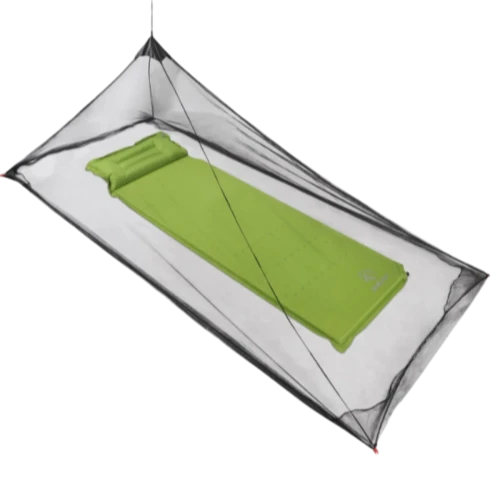
At their core, hanging mosquito nets are fine-mesh fabrics suspended over sleeping areas or living spaces to create a protective barrier against mosquitoes. Typically made from polyester, polyethylene, or cotton mesh, they prevent mosquitoes and other flying insects from reaching the person underneath. Some nets are plain, while others are dipped in insecticides like permethrin for enhanced protection.
In both humanitarian contexts—think refugee camps or disaster zones—and everyday home use, these nets serve as a first line of defense. They’re cost-effective, portable, and relatively easy to install, making them invaluable where conventional pest control farming or chemical spraying isn’t feasible or advisable.
Key Components of Modern Hanging Mosquito Nets
1. Durability & Material Quality
Durability matters a lot. Nets must resist tears and holes because a single opening can render the entire barrier useless. Polyester fibers with a tight weave are preferred for their longevity and ease of cleaning.
2. Insecticide Treatment
Many nets are treated with long-lasting insecticides that repel or kill mosquitoes on contact. This treatment extends effectiveness, sometimes up to 3–5 years depending on use and washing frequency.
3. Scalability & Versatility
Good designs allow nets to be easily installed in various settings — from urban apartments to tents or rural huts. The ability to scale production and distribution efficiently is critical in emergency relief situations.
4. Cost Efficiency
Affordability is a major factor, especially for mass distribution. Economies of scale and improved manufacturing techniques have reduced prices, enabling NGOs and governments to deliver nets cost-effectively.
Global Use Cases: From Remote Villages to Relief Camps
Across continents, hanging mosquito nets have proven indispensable. In sub-Saharan Africa, governments distribute millions of long-lasting insecticidal nets (LLINs) annually to curb malaria outbreaks. UNICEF and WHO use these nets in emergency health campaigns, especially post natural disasters like flooding, which often trigger mosquito population surges.
In Southeast Asia, similar nets protect workers living in industrial zones near water sources. Meanwhile, Latin America’s tropical regions rely on them both for household protection and as part of vector control programs. Even in developed countries, travelers and military personnel depend on hanging nets for personal protection in malaria-prone regions.
| Feature | Specification |
|---|---|
| Material | Polyester Mesh, 75 denier |
| Mesh size | 156 holes per sq inch (170 mesh) |
| Insecticide | Permethrin, Long Lasting Treatment (3+ years) |
| Dimensions | 210cm x 150cm x 150cm (single bed size) |
| Weight | 500g approx. |
| Installation | Ceiling hook or wall-mounted points |
Why Hanging Mosquito Nets Offer Long-Term Value
Beyond the obvious health impact in preventing disease, these nets bring peace of mind to millions. There’s a sort of dignity in knowing you have a personal safe zone from pests, especially in places where access to healthcare is limited. Socially, they reduce disease transmission, which improves community health overall.
Financially, the cost savings are huge. Treating malaria, for example, can consume a significant percentage of a household’s income. An upfront investment in quality nets often pays for itself by reducing medical fees. Plus, the environmental footprint is smaller compared to chemical spraying or fogging methods, aligning with sustainability goals.
It’s an elegant, reliable, and proven solution that thousands of engineers, health workers, and field officers swear by.
Innovation Trends: What’s Next for Hanging Nets?
The future looks promising. Researchers are experimenting with bio-based fibers and embedded smart sensors to detect damage or insect presence in real time. Insecticide treatments are also evolving, aiming for longer-lasting effectiveness with lower environmental impact.
Some projects integrate solar-powered LED lights into net frames, providing nighttime illumination without attracting mosquitoes. Digital tracking via QR codes helps NGOs monitor distribution and usage patterns more effectively.
As sustainability becomes a global focus, expect more recyclable materials and partnerships with local manufacturers to boost economies and reduce waste.
Challenges and Smart Solutions
No solution is perfect. Nets can be damaged or improperly used — some people store them away during the day or tuck them poorly at night, compromising protection. Washing can also strip insecticide away prematurely.
Innovative packaging, community education programs, and durable designs with reinforced edges have all emerged as fixes. Some organizations now provide replacement schedules or incorporate color-coded cues reminding owners when it’s time to re-treat or replace nets.
| Vendor | Material | Insecticide Treatment | Typical Cost/Unit | Special Features |
|---|---|---|---|---|
| SafeNet Corp | Polyester, 170 mesh | Permethrin, 3-year LTA | $3.50 | UV resistant, quick-install kit |
| EcoGuard Supplies | Biodegradable nylon | Non-chemical, natural repellent | $5.25 | Eco-friendly, recyclable packaging |
| Global Net Works | Polyethylene mesh, 150 mesh | Deltamethrin, 5-year efficacy | $4.10 | Reinforced edges, tent compatibility |
Frequently Asked Questions About Hanging Mosquito Nets
Q1: How often should hanging mosquito nets be replaced or retreated?
A: Typically, insecticide-treated nets last 3–5 years depending on use and washing. However, nets showing tears should be replaced immediately. Retreatment schedules depend on the insecticide type and manufacturer's instructions, but many long-lasting treatments don’t require annual retreatment.
Q2: Can regular washing damage the insecticide on treated mosquito nets?
A: Yes, frequent or harsh washing can reduce insecticide effectiveness. Experts recommend gentle hand washing every few months and avoiding bleach or detergents. Some nets come with insecticide embedded in the fibers, offering better longevity.
Q3: Are hanging mosquito nets effective against all types of mosquitoes?
A: They’re generally effective against most mosquitoes and flying insects, but since some species bite outdoors or during the day, nets work best combined with other vector control measures.
Q4: How can NGOs ensure proper use of hanging mosquito nets in communities?
A: Community education and engagement are key. Providing clear installation guides, demonstrations, and follow-up visits helps improve correct use and maintenance, maximizing public health benefits.
Final Thoughts: Why Hanging Mosquito Nets Still Matter
After all the buzz about fancy new tech and advanced materials, it’s funny how something as simple as a piece of netting can still be so crucial. Hanging mosquito nets combine science, practicality, and affordability in one elegant solution. They save millions of lives, support economic stability, and bring peace where it’s needed most. For anyone working in public health, outdoor living, or humanitarian relief, these nets aren’t just a product — they’re a lifeline.
If you want to explore high-quality, innovative hanging mosquito nets tailored for diverse needs, visit our website: hanging mosquito nets. The right net might be simpler than you think, but its impact will be huge.
References


Latest news
-
Best Guide to Choose a Screen Door for Sliding Door for Your Home
NewsApr.16,2026 -
The Ultimate Guide to Choosing a screen door for a sliding door
NewsApr.09,2026 -
Choosing the Perfect Patio Sliding Screen Door for Your Home
NewsApr.07,2026 -
Choosing the Best Patio Screen Door with Frame for Your Home and Lifestyle
NewsApr.04,2026 -
Comprehensive Guide to Net Sliding Door Price Factors and Options
NewsMar.31,2026 -
Enhance Your Outdoor Space with a Durable Net Sliding Door for Balcony
NewsMar.28,2026 -
Discover the Benefits of Net Door Sliding Systems for Modern Homes
NewsMar.26,2026