

Nov . 30, 2025 04:00 Back to list
Hanging Net Bed: The Best Lightweight Bed Solution for Comfort & Safety
Understanding the Hanging Net Bed: An Essential Tool for Modern Comfort and Safety
If you haven’t yet stumbled across the term hanging net bed, don’t worry — it’s not something you find in every home. But oh, it should be! Especially when it comes to blending simplicity, comfort, and practicality in both everyday life and many specialized fields. Globally, the hanging net bed is more than just a quirky piece of furniture; it’s a symbol of adaptive living, sustainability, and even humanitarian relief.
The buzz around hanging net beds has grown steadily, partly because they offer a lightweight, versatile solution for people across climates and industries. From tropical homes to remote work camps, and even emergency shelters, understanding the benefits of these beds is a small but important step in rethinking how we approach resting places—ones that are efficient, resilient, and often eco-friendly.
Why Hanging Net Beds Matter in Today’s World
It’s funny how something as simple as a net bed taps into broader global needs. According to UN habitat reports, over 1 billion people live in inadequate housing conditions, and flexible lightweight furniture like hanging net beds can help improve living standards quickly. Plus, in regions prone to floods or unstable terrain, elevated sleeping surfaces help avoid moisture, pests, and even some health risks.
Industrial and humanitarian organizations also rely on hanging net beds due to their portability and robustness. For example, field teams in remote zones use them extensively, because falling asleep on a broken cot simply isn’t an option after a long day. These beds respond to a real challenge: how to deliver comfort without bulky or complicated equipment.
Mini takeaway: The hanging net bed isn’t just a comfort item — it’s a practical, scalable solution to evolving housing and shelter challenges worldwide.
What Exactly Is a Hanging Net Bed?
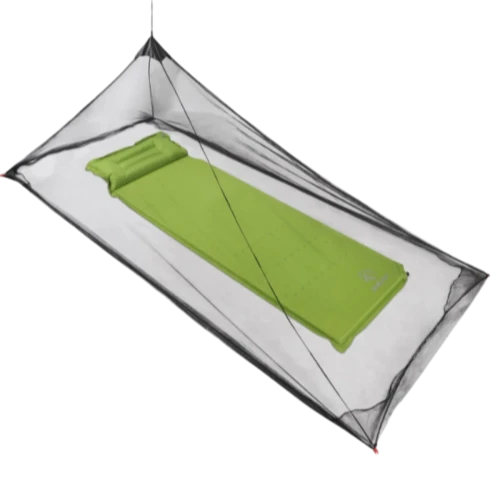
In plain terms, a hanging net bed is a sleeping surface made of durable woven netting, supported typically from multiple anchor points, allowing it to sling above the ground. Unlike traditional mattresses or hammocks, it balances support and ventilation superbly, making it ideal for hot, humid environments or where quick drying is needed.
In modern industries and humanitarian contexts, it’s more than just a camping toy: it’s a lifesaver. The net bed’s simple design translates to ease of deployment (no bolts, no springs) and adaptability — whether hung between trees, inside tents, or in complex modular shelters.
Mini takeaway: Hanging net beds are simply structured but highly effective sleeping platforms optimized for comfort, portability, and durability.
Core Factors That Define the Best Hanging Net Beds
Durability and Material Quality
Most hanging net beds use high-strength synthetic fibers such as nylon or polyethylene. These resist tearing, UV degradation, and mold — critical for outdoor, tropical, and emergency use. Many designs incorporate reinforced edges and double stitching for longevity.
Comfort and Breathability
Unlike solid surfaces, the net structure promotes airflow, keeping users cool and dry. This is particularly beneficial in reducing heat stress and skin irritations in hot or humid environments.
Load Capacity
Depending on design and materials, a hanging net bed can hold anywhere between 150 to 300 kilograms. That’s a huge range and matters when you consider different body sizes or multiple users.
Ease of Installation
A big reason hanging net beds are so popular is their fast setup. The right net bed will have easily adjustable support ropes, simple hooks, and no tools required — meaning they’re great for non-technical users or fast relief situations.
Portability
They fold into compact bundles, making them easy to store or transport — a factor that often tips the scale when choosing furniture for field teams or travelers.
Cost-Effectiveness
For NGOs and buyers on a budget, a hanging net bed offers an excellent price point, especially when compared with standard camping cots or inflatable mattresses.
Mini takeaway: The ideal hanging net bed strikes a balance between toughness, user comfort, portability, and affordability — a real utility player.
How and Where Hanging Net Beds Are Used Globally
From Southeast Asia’s humid tropics to Africa’s expansive relief camps, hanging net beds have found eager adopters. In regions where malaria mosquitoes or scorpions are concerns, elevated beds act as a protective barrier. For instance, UNICEF often supports the distribution of mosquito net beds in malaria-prone regions to safeguard children at night.
Industrial applications are also noteworthy: remote mining operations and forestry camps equip workers with durable hanging beds to improve rest quality without adding bulk luggage.
Another interesting example is in disaster relief. After natural calamities, tents and ground mats aren’t enough. Relief organizations turn to hanging net beds for quick-to-deploy, hygienic bedding solutions — easily disinfected and transportable.
Mini takeaway: Hanging net beds prove versatile and mission-critical from remote work camps to humanitarian aid and tropical homes.
Advantages and Long-Term Value of Hanging Net Beds
- Cost and resource efficiency: Low material needs, no heavy frames, less waste in shipping.
- Health and comfort: Improved ventilation reduces fungal and bacterial growth on sleeping surfaces.
- Sustainability: Many manufacturers now use recyclable fibers or eco-friendly materials.
- Social Impact: Enhances dignity and well-being in relief scenarios where conditions are often grim.
I once chatted with a field nurse who stressed how a good night’s sleep on a net bed made a massive difference, not just physically but mentally — it feels safer and more homely amid chaos.
Mini takeaway: Hanging net beds blend practical savings with human-centered design, delivering both comfort and dignity over the long haul.
Looking Ahead: Trends and Innovations in Hanging Net Beds
It’s fascinating to watch materials science bring new life to a centuries-old concept. Advanced polymers with antimicrobial treatments are entering the market, improving hygiene especially in shared-use settings. Integration of reflective coatings to reduce heat absorption tackles climate stress.
On the policy front, growing interest in sustainable sourcing prompts certifications for net fabrics, just like in garments and construction materials. We’re also seeing some digital integration hints — think built-in sensors that monitor sleep quality or environmental conditions.
Mini takeaway: The humble hanging net bed is evolving with smarter materials and smarter thinking, gearing up to meet future comfort and safety demands.
Challenges in Hanging Net Bed Usage and Innovative Solutions
Of course, no product is perfect. One frequent gripe is the difficulty some users face in finding stable anchor points, especially in unfamiliar or urban settings. Some nets also sacrifice firmness for breathability, which can feel less supportive to some sleepers.
Solutions are already emerging: collapsible freestanding frames eliminate the need for external suspensions, and hybrid designs incorporate a firmer mesh layer for spine support. Training modules from vendors and NGOs help users install nets quickly and safely — a surprisingly big hurdle in some contexts.
Mini takeaway: While challenges remain, ongoing innovations and practical training help unlock the full potential of hanging net beds.
Product Specification Table: Sample Hanging Net Bed Model
| Specification | Details |
|---|---|
| Material | High-density nylon mesh (UV & mildew-treated) |
| Dimensions | 200cm x 90cm (standard single) |
| Load Capacity | Max 180 kg |
| Weight | Approx. 1.5 kg |
| Setup Time | Under 5 minutes |
| Additional Features | Adjustable nylon straps, anti-slip rings, carry bag included |
Vendor Comparison Table: Leading Hanging Net Bed Providers
| Vendor | Price Range (USD) | Material Quality | Lead Time | Shipping Options |
|---|---|---|---|---|
| CampEase Outdoors | $45 - $70 | Premium UV-resistant nylon | 2-3 days | Worldwide express |
| SafeRest Systems | $55 - $85 | Reinforced ripstop polyester | 5-7 days | Standard and bulk freight |
| EcoNets Co. | $40 - $65 | Recycled PET fibers, eco-certified | 7-10 days | Eco-prioritized shipping |
Frequently Asked Questions About Hanging Net Beds
Q1: Are hanging net beds suitable for everyday home use, or just for camping and relief?
Many people associate hanging net beds with temporary setups, but they can absolutely serve as comfortable, permanent furniture—especially in warm climates or minimalist interiors. Their breathability and gentle swaying motion can promote restful sleep, although it depends on personal preference.
Q2: How do I find secure anchor points if I’m staying somewhere without trees?
That’s a common concern. Luckily, there are freestanding frames designed specifically for hanging nets, which don’t require external anchors. Alternatively, sturdy poles or ceiling hooks (installed with care) can work. Always check weight limits and installation guides.
Q3: Can these beds help reduce the risk of insect bites?
Yes! When combined with insect-repellent treatments or paired with mosquito nets, elevated hanging beds create a physical barrier that makes it harder for insects like mosquitoes or ticks to reach sleepers, especially vital in tropical and malaria-prone regions.
Q4: Are hanging net beds eco-friendly?
Increasingly so. Many manufacturers now prioritize recycled or sustainably sourced synthetic fibers. Compared to bulky frames and foam mattresses, net beds generally have a much smaller production footprint and longer reuse potential.
Q5: How long can a typical hanging net bed last if used regularly?
With proper care, a quality hanging net bed can last several years. Factors influencing lifespan include material type, exposure to sun and moisture, and frequency of use. Regular inspections for fraying or wear help maintain safety.
Wrapping Up: Why a Hanging Net Bed Could Be the Next Best Addition To Your Setup
At the end of the day, the hanging net bed stands as a perfect example of elegant simplicity meeting modern needs. Whether you’re outfitting a holiday cabin, supporting field personnel in rugged terrain, or delivering relief in disaster zones, it offers comfort, economy, and a surprisingly big emotional boost.
Curious to explore your best options? Check out our hanging net bed selection — because a good night's sleep, wherever you are, is always worth investing in.
References

Latest news
-
Best Guide to Choose a Screen Door for Sliding Door for Your Home
NewsApr.16,2026 -
The Ultimate Guide to Choosing a screen door for a sliding door
NewsApr.09,2026 -
Choosing the Perfect Patio Sliding Screen Door for Your Home
NewsApr.07,2026 -
Choosing the Best Patio Screen Door with Frame for Your Home and Lifestyle
NewsApr.04,2026 -
Comprehensive Guide to Net Sliding Door Price Factors and Options
NewsMar.31,2026 -
Enhance Your Outdoor Space with a Durable Net Sliding Door for Balcony
NewsMar.28,2026 -
Discover the Benefits of Net Door Sliding Systems for Modern Homes
NewsMar.26,2026