

Nov . 30, 2025 05:35 Back to list
Ultimate Guide to Hanging Net Bed Canopy: Protection, Comfort & Innovation
What Is a Hanging Net Bed Canopy and Why Does It Matter?
When you hear hanging net bed canopy, you might imagine a dreamy bedroom accessory straight out of a tropical resort brochure, right? But here’s the thing—this simple piece of design actually matters on a global scale, beyond just aesthetics. It’s a practical solution for mosquito protection, improving sleep quality, and even saving lives in regions burdened by vector-borne diseases like malaria and dengue.
The global health challenge of mosquito-borne illnesses is still huge. The World Health Organization estimates that malaria alone affected over 200 million people worldwide in recent years. Among many interventions, the humble hanging net bed canopy stands tall as an effective, low-tech barrier. Its value? Affordable, reusable, and easy to install in many settings, from urban apartments to rural clinics.
Understanding this product isn’t just about knowing one more consumer item. It’s about recognizing how a simple textile innovation can influence public health outcomes, enhance comfort, and promote dignity in vulnerable communities — all at once.
Mini takeaway: A hanging net bed canopy is not just fabric and thread; it’s a frontline defense and a sleep aid rolled into one, impacting millions globally.The Global Context of Hanging Net Bed Canopies
Internationally, the fight against vector-borne diseases shapes large investments by governments and NGOs, especially in sub-Saharan Africa, Southeast Asia, and parts of South America. According to the United Nations Environment Programme, integrated vector management (IVM) strategies widely promote mosquito nets as an essential tool in lowering disease transmission.
But here’s the kicker: while mass distribution programs have made bed nets more accessible, challenges remain in durability, cultural acceptance, and manufacturing scalability. Enter the hanging net bed canopy, a solution which adapts to various living conditions, protects individuals sleeping in diverse settings (sometimes under trees or makeshift shelters) and provides an extra layer of comfort, literally and figuratively.
It appears simple, but global trends pushing for sustainable, cost-effective health products keep this niche as a growing sector. Plus, the adaptability of these nets during crisis events, refugee camps, or remote industrial camps makes them a priority.
What Exactly Is a Hanging Net Bed Canopy?
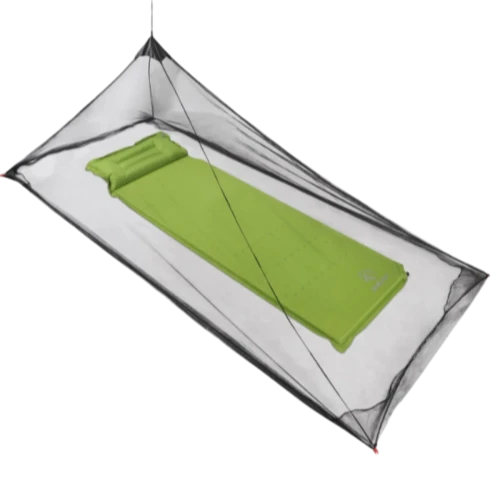
Simply put, a hanging net bed canopy is a textile enclosure made of fine mesh fabric designed to cover a bed fully or partially. Suspended from a frame or ceiling, it creates a protective barrier, stopping mosquitoes and other flying insects from disturbing the sleeper.
Unlike flat mosquito nets, which are tucked under mattresses, hanging net canopies provide more room, comfort, and in many cases, a stylish touch. In modern industry and humanitarian settings, they represent a fusion of traditional mosquito net technology with improved design for ease of use and durability.
Technically, many are made from polyester or polyethylene fibers woven tightly enough to stop insects but breathable for airflow — a must in hot climates. The design often includes a zip entry or open-drop flaps to facilitate easy access.
Key Factors to Consider When Choosing a Hanging Net Bed Canopy
1. Durability and Material Quality
You want a net that doesn’t tear easily, withstands washing, and offers consistent protection. Many manufacturers use anti-UV treated synthetic fibers to extend lifespan, important when exposed to sun or rough handling.
2. Size and Coverage
Are you covering a single bed, a queen, or a double? Is it for permanent indoor use or temporary outdoor shelter? Size affects how protective and comfortable the canopy will feel.
3. Ease of Installation
Simple hook-and-loop systems or modular hanging points make setup quicker, especially important in relief situations where time is short.
4. Portability and Storage
Lightweight and foldable designs appeal to travelers, campers, and field medical teams.
5. Insecticide Treatment
Some nets come pre-treated with long-lasting insecticides, adding an active layer of protection, while others remain chemical-free for sensitive users or regions with resistance concerns.
| Specification | Standard Hanging Net Canopy | Premium Treated Canopy |
|---|---|---|
| Material | Polyester mesh | Anti-UV polyester + insecticide |
| Mesh Size | 156 holes per square inch | Close weave, 200 holes per square inch |
| Size | 210x150x140 cm | 230x160x150 cm |
| Entry | Zipper front flap | Double-entry zipper & magnetic closure |
| Weight | 450g | 600g |
| Price Range | $15 - $25 | $30 - $45 |
Where Are Hanging Net Bed Canopies Most Valuable?
You’ll find hanging net bed canopies in a mix of settings:
- Humanitarian Aid: Emergency shelters after floods or conflicts often need quick mosquito protection.
- Healthcare Facilities: Clinics and hospitals in malaria-prone areas use canopies to protect vulnerable patients.
- Remote Work Camps: Mining or logging operations deep in forests rely on nets to reduce disease spread.
- Residential Homes: Of course, in tropical climates, many families use them nightly to avoid mosquito bites and discomfort.
For example, in Mozambique’s post-cyclone refugee camps, NGO teams distribute hanging net bed canopies as part of their health kits. This not only prevents malaria but also restores a sense of personal space and dignity when families are cramped together.
Oddly enough, some luxury resorts integrate these nets for style and nostalgia — turning a public health tool into a symbol of dreamy comfort. But really, it’s about protection that feels personal and secure.
Long-Term Benefits: Beyond Just Bug Protection
Cost-wise, these nets deliver big returns. A one-time purchase that lasts years — think of the medical costs saved when fewer people fall ill. Environmentally, choosing non-toxic materials or long-lasting insecticide treatments means fewer chemicals released into the surroundings.
On a social level, providing reliable mosquito protection supports child health, improves sleep quality, and fosters community trust in health interventions. It feels like a small gear in a much larger machine, really — but one that keeps it running smoothly.
Upcoming Innovations in Hanging Net Bed Canopy Design
Technology and materials aren’t standing still, thankfully. New developments include:
- Biodegradable fabrics to reduce environmental footprint.
- Smart nets embedded with sensors detecting mosquito activity.
- Modular designs for multifunctional use in indoor/outdoor or emergency habitats.
- Integration with green energy — solar-powered mosquito repellant emitters included in the net design.
It’s surprising how this “traditional” product is evolving alongside high-tech trends while staying grounded in simplicity.
Challenges and Solutions in Using Hanging Net Bed Canopies
Problems crop up: nets can be torn, improperly installed, or culturally rejected if the design doesn’t fit local aesthetics. Another issue is insecticide resistance in mosquitoes reducing net effectiveness.
Solutions include better community education, designing nets collaboratively with end-users, and continuous research into new materials and insecticides. Some manufacturers also provide repair kits or modular replacement panels to extend net lifespan.
Vendor Comparison: Choosing the Right Supplier
| Vendor | Product Range | Global Reach | Price | Sustainability Practices |
|---|---|---|---|---|
| NetGuard | Basic & Treated Canopies | Africa, Asia | $$ | Eco-friendly dyes, recyclable packaging |
| SafeSleeps | Premium multi-entry nets | Global | $$$ | Biodegradable fabrics, fair trade certified |
| MosqShield | Budget nets & insecticide treated | Asia & Latin America | $ | Focus on cost reduction, limited sustainability |
FAQ: Common Questions About Hanging Net Bed Canopies
Q1: How easy is it to install a hanging net bed canopy in a non-traditional home?
Most hanging net bed canopies come with flexible mounting options like adhesive hooks, ceiling rings, or portable frames, making installation possible in a variety of settings — from apartments to tents. It’s usually a quick process that requires no special tools, so even those without handyman skills can manage.
Q2: Do treated nets pose any health risks to children or sensitive users?
Insecticide-treated nets use chemicals approved by global health authorities and are generally safe when used as directed. However, users with allergies or skin sensitivities should opt for untreated nets or consult a healthcare provider. Washing the nets appropriately also reduces any chemical residues.
Q3: How often should a hanging net bed canopy be replaced?
With proper care, a quality canopy can last 3–5 years. Replacement depends on usage, wear and tear, and insecticide longevity (if treated). Regular inspections for holes or damages help maintain effectiveness.
Q4: Can hanging net bed canopies be used outdoors?
Yes, many designs are sufficiently durable for outdoor use, particularly those made with UV-protected fabrics. Still, they’re best used with some form of shelter to avoid damage from rain or strong winds.
Q5: Where can I find hanging net bed canopies suited for industrial or humanitarian needs?
Specialized suppliers and NGOs offer bulk purchasing options. For tailored solutions, it’s best to contact vendors that focus on health sector products or humanitarian aid, such as those listed above. Our site also provides links to trusted distributors.
Final Thoughts on Hanging Net Bed Canopy
The hanging net bed canopy might seem humble, but its long-term impact on health, comfort, and dignity is anything but small. For households, clinics, or field operations worldwide, it represents simple engineering meeting profound necessity. By choosing the right materials and designs, embracing innovation, and respecting local needs, this product continues to demonstrate how effective small solutions can be.
If you’re curious to explore more or find the perfect hanging net canopy for your needs, don’t hesitate to visit our website: hanging net bed canopy.
References
Latest news
-
Best Guide to Choose a Screen Door for Sliding Door for Your Home
NewsApr.16,2026 -
The Ultimate Guide to Choosing a screen door for a sliding door
NewsApr.09,2026 -
Choosing the Perfect Patio Sliding Screen Door for Your Home
NewsApr.07,2026 -
Choosing the Best Patio Screen Door with Frame for Your Home and Lifestyle
NewsApr.04,2026 -
Comprehensive Guide to Net Sliding Door Price Factors and Options
NewsMar.31,2026 -
Enhance Your Outdoor Space with a Durable Net Sliding Door for Balcony
NewsMar.28,2026 -
Discover the Benefits of Net Door Sliding Systems for Modern Homes
NewsMar.26,2026