

Nov . 30, 2025 07:10 Back to list
Hanging Net for Bed: Essential Protection, Comfort & Global Health Benefits
The Practical World of Hanging Nets for Beds: Why They Matter
When you first hear the phrase hanging net for bed, you might picture a whimsical hammock or a mosquito net gently draping over a mattress. But this simple-sounding product packs a serious punch beyond aesthetic charm—it’s a key player in global health, comfort, and safety. From tropical regions battling mosquito-borne diseases to modern urban dwellers craving both protection and peace of mind, hanging nets for beds have quietly become vital. Understanding this product’s scope isn’t just about appreciating an accessory; it’s about grasping a solution interwoven with sanitation, disease prevention, humanitarian aid, and even eco-friendly living. In fact, international organizations like the World Health Organization (WHO) have spotlighted bed nets, primarily mosquito nets, as essential tools in the fight against malaria—a disease that still threatens hundreds of millions worldwide annually ([WHO Malaria report](https://www.who.int/news-room/fact-sheets/detail/malaria)). Mini takeaway: A hanging net for bed is more than just fabric; it’s a frontline defender for health and comfort worldwide.Looking at the Big Picture: The Global Context of Hanging Nets for Beds
Globally, the demand for hanging nets — particularly insect-proof nets — stems from health crises, population growth, and housing conditions. The United Nations estimates that nearly half the world's population lives in malaria-risk zones, emphasizing a pressing need for effective bed nets ([UN Malaria statistics](https://www.un.org/en/global-issues/health)). But it’s not just tropical diseases. In many industrial and refugee settings, hanging nets serve as privacy shields, dust barriers, or even critter blockers. Interestingly, in some urban households, these nets add a layer of protection from allergens or airborne particles, tying into rising health concerns worldwide. Yet challenges remain. Supply chain disruptions, net durability problems, or lack of education on proper usage can reduce effectiveness. This is where innovative designs and better materials enter the spotlight. Mini takeaway: These nets engage with complex social and environmental factors, making their role in global health and housing more crucial than ever.What Exactly Is a Hanging Net for Bed?
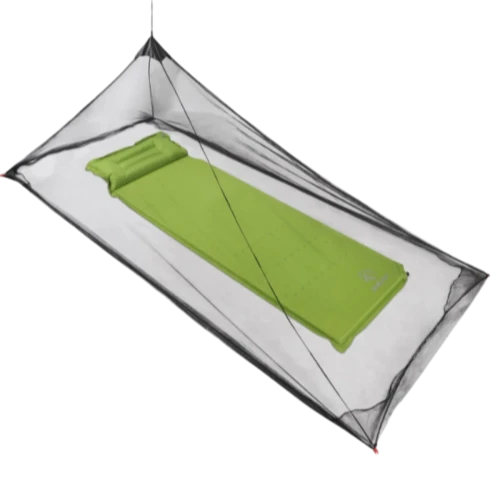
At its core, a hanging net for bed is a textile barrier suspended over sleeping spaces to protect users—most commonly from insects like mosquitoes but also for privacy and cleanliness. These nets are usually made from fine mesh fabric, allowing airflow but preventing entry of unwanted pests or particles. In modern industry and humanitarian settings, hanging nets have evolved beyond simple mosquito nets. Some incorporate insecticides, UV-resistant coatings, or even antimicrobial treatments reflecting the wider trend in textile innovation. In essence, they’re a marriage of necessity and ingenuity—born from centuries-old methods but continually refined by science and global demand.Core Components of a High-Quality Hanging Net for Bed
Durability
One of the first things experienced users note is how long a net lasts. A robust fabric resists tears, UV damage, and stretching, giving the net staying power even in rough conditions.Breathability
No one wants to sleep under a suffocating canopy. The mesh size strikes a balance—small enough to block pests, large enough to permit air flow, maintaining comfort.Ease of Installation
This often-overlooked factor can make or break user satisfaction. Simpler hanging mechanisms — whether hooks, loops, or spreader frames — save time and frustration, especially in crisis zones where speed counts.Eco-Friendly Materials
Current trends favor nets made from recycled or biodegradable fibers, reducing environmental impact from production to disposal.Cost Efficiency
Especially in large-scale deployments by NGOs or governments, producing affordable but effective nets ensures wider distribution and impact. Mini takeaway: Each factor marries practicality with purpose, ensuring hanging nets do more than just ‘look good’ on a bed.Where Are Hanging Nets for Beds Making a Difference?
Hanging nets have found homes in all sorts of settings: - Tropical and subtropical regions: Classic use cases involve malaria-endemic countries in Africa, Southeast Asia, and parts of South America. Malaria-prone villages rely on long-lasting insecticidal nets, supported by programs like the WHO Global Malaria Programme. - Humanitarian relief camps: Post-disaster zones or refugee settlements often use hanging nets for immediate protection against mosquito-borne illnesses and added privacy. For example, after the 2010 Haiti earthquake, aid organizations handed out millions of bed nets as part of health interventions. - Industrial and agricultural workers: In remote outdoor or semi-outdoor sleeping quarters, these nets fend off nuisance insects, improving worker wellbeing and productivity. - Urban households: Allergic individuals or those in polluted cities increasingly adopt fine mesh nets for health protection, combining tradition with innovation. Mini takeaway: From tropical villages to disaster zones and city apartments, the hanging net for bed adapts to diverse environments.Advantages That Go Beyond Protection
It’s not just about keeping mosquitoes away; the benefits are layered and tangible: - Health: Dramatic reductions in malaria and dengue incidence, backed by studies from the Centers for Disease Control and Prevention (CDC). - Sustainability: Durable nets reduce waste in comparison to disposable insect repellents or sprays. - Social dignity: Privacy in crowded settlements can be priceless for individual identity and comfort. - Cost savings: Fewer medical treatments and lost working days translate to economic resilience for families and communities. - Innovation trust: New materials and coatings raise confidence, encouraging consistent use. Emotionally, a hanging net for bed offers a small, affordable “safe zone” — a little fortress for rest and healing.Looking Ahead: Innovations and Trends
The future of hanging nets for beds is shaping up to be fascinating: - Smart textiles: Nets embedded with sensors to detect tears or insect intrusion. - Green materials: Bioplastics and recycled fibers replacing traditional polyethylene. - Integrated insecticide technologies: Slow-release formulas making nets effective for years. - Customization: Modular systems tailored to local sleeping arrangements. - Digital education platforms: Apps teaching best practices to maximize effect. All this reflects the broader push for sustainability and technology-enabled health interventions worldwide.Challenges and How Industry Leaders Are Tackling Them
Of course, no product is perfect. Common hurdles include: - Net misuse or neglect: Without education, many nets end up unused or improperly maintained. - Durability issues: Cheap nets degrade fast, undercutting benefits. - Distribution gaps: Reaching remote or conflict-affected areas remains difficult. - Resistance: Mosquitoes developing resistance to insecticides. Experts suggest combining better design with community-led education campaigns, alongside innovations in more robust, insecticide-free nets. Partnerships between NGOs, local governments, and private manufacturers also improve accessibility.Practical FAQs About Hanging Nets for Beds
- How do I properly install a hanging net for bed? Most nets come with simple hooks or loops designed for easy mounting from ceilings or walls. Ensuring no gaps around edges is key to keep insects out.
- Are insecticide-treated nets safe for children and pregnant women? Yes, nets treated with WHO-approved insecticides have undergone extensive safety testing. Still, following product instructions remains essential.
- How often should hanging nets be replaced? Typically, every 3–5 years depending on fabric durability and insecticide lifespan, but regular inspections for damage help extend use.
- Can hanging nets be used for camping or outdoor activities? Absolutely! Lightweight, portable models are popular among travelers for bug protection in wilderness or tropical areas.
- Where can I purchase high-quality hanging nets? Reputable suppliers usually offer certification and guarantees — for a start, check hanging net for bed specialists.
Specification Table: Typical Hanging Net for Bed
| Feature | Specification |
|---|---|
| Material | Polyethylene or polyester mesh |
| Mesh Size | 156 holes per square inch |
| Dimensions | 210 cm x 180 cm x 150 cm (LxWxH) |
| Insecticide Treatment | Permethrin or deltamethrin (optional) |
| Weight | Approx. 250 grams |
| Installation | Four-point hanging with hooks or loops |
Vendor Comparison: Leading Suppliers of Hanging Nets for Beds
| Supplier | Price per unit | Material Quality | Insecticide Option | Lead Time | Certifications |
|---|---|---|---|---|---|
| EcoSafe Nets | $7.50 | High-density polyester | Yes (WHO-approved) | 2-3 weeks | ISO 9001, WHO |
| SafeSleep Products | $6.00 | Polyethylene mesh | Optional | 1-2 weeks | FDA registered |
| NetGuard Solutions | $8.25 | Recycled plastics | Yes; eco-friendly | 4 weeks | ISO 14001 |
Wrapping It Up: Why Hanging Nets for Beds Remain Essential
In real terms, a hanging net for bed is a modest yet mighty invention—central to global health, comfort, and dignity. As diseases persist, climates shift, and population pressures rise, these nets provide a silent shield for millions, balancing simplicity with sophisticated science. For anyone looking to invest in a practical solution that merges cost-effectiveness with impact, they’re hard to beat. Thinking about upgrading your protection or supplying a community? Don’t just settle for any net — check precise specs, durability claims, and certifications. For starters, take a look at specialized suppliers over at hanging net for bed. Stay comfortable, stay safe — it really pays off. ---References


Latest news
-
Best Guide to Choose a Screen Door for Sliding Door for Your Home
NewsApr.16,2026 -
The Ultimate Guide to Choosing a screen door for a sliding door
NewsApr.09,2026 -
Choosing the Perfect Patio Sliding Screen Door for Your Home
NewsApr.07,2026 -
Choosing the Best Patio Screen Door with Frame for Your Home and Lifestyle
NewsApr.04,2026 -
Comprehensive Guide to Net Sliding Door Price Factors and Options
NewsMar.31,2026 -
Enhance Your Outdoor Space with a Durable Net Sliding Door for Balcony
NewsMar.28,2026 -
Discover the Benefits of Net Door Sliding Systems for Modern Homes
NewsMar.26,2026