

Dec . 01, 2025 15:35 Back to list
Foldable Bed Mosquito Nets – Portable Protection Against Mosquito-Borne Diseases
What’s So Special About the Foldable Bed Mosquito Net?
When you think about the humble mosquito net—usually that thin veil draped over a bed to ward off those pesky nighttime pests—you might not realize just how much impact a foldable bed mosquito net has globally. Mosquito-borne diseases still rank as a major health threat worldwide, with malaria alone causing over 600,000 deaths annually, according to the World Health Organization. For families from bustling cities to remote villages, especially in tropical and subtropical areas, these nets can be literal life-savers.
But beyond just saving lives, the foldable version brings convenience that’s incredibly relevant for people on the move—think disaster relief workers, nomads, and travelers. Understanding the key benefits of these collapsible, portable nets is more than just a home improvement topic—it’s about public health, sustainability, and innovation working hand in hand.
A Global Problem Meets a Simple Solution
Globally, an estimated 3.2 billion people live in regions at risk of malaria transmission, with the lion’s share in Africa, Southeast Asia, and parts of Latin America (WHO, 2023). Malaria control programs strongly advocate for insecticide-treated nets (ITNs), but traditional nets are often bulky or require permanent installation, limiting their practical use in transient populations and emergency settings.
Enter the foldable bed mosquito net—a clever compromise between protection and portability. This net isn’t just confined to homes: NGOs use them in refugee camps, peacekeepers deploy them in field bases, and even adventurous travelers and campers have found a stylish ally in these nets. Oddly enough, something so simple tackles a complex problem of distribution, usage, and maintenance.
Defining the Foldable Bed Mosquito Net
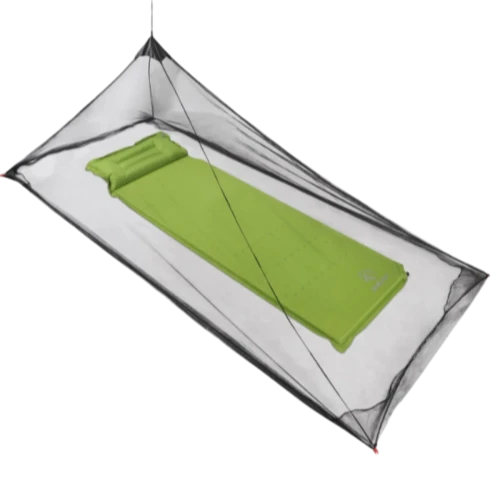
Simply put, a foldable bed mosquito net is a mesh fabric barrier designed to cover a bed or sleeping area and prevent mosquito contact. What makes it different? Its frame allows it to easily fold down into a compact form for transport or storage—no special installation tools required.
This design innovation intersects neatly with humanitarian efforts, military logistics, and outdoor leisure markets. In contexts where setting up heavy, fixed nets is impractical, foldable alternatives offer a swift, effective solution to reduce disease risk while providing privacy and comfort.
Key Features That Make Foldable Bed Mosquito Nets Work
1. Durability
Many nets use polyester or nylon mesh that balances breathability with strength. Reinforced seams and corrosion-resistant frames (usually fiberglass or light metal alloy) mean the net withstands frequent folding without the usual wear and tear.
2. Scalability & Portability
The foldable design transforms a standard-size net into a compact, suitcase-like shape. This portability makes it ideal for quick deployments or frequent travelers who’d rather not carry bulky gear.
3. Cost Efficiency
Because these nets are reusable and don’t require costly installation professionals, they present an economically smart choice for NGOs and families alike. The upfront cost might be higher than basic nets, but longevity pays dividends.
4. Protection Level
Fine mesh sizes, sometimes combined with insecticide treatments, improve protection effectiveness against various mosquito species, including those carrying dengue, malaria, and Zika viruses.
5. Versatility
Besides beds, foldable nets often adapt to cots, hammocks, or floor mats, giving users a wide range of sleeping options. This flexibility is especially valuable in refugee camps or field hospitals.
Mini takeaway:
Durability and portability aren’t just nice perks—they’re essential for making sure that mosquito nets get used consistently where they’re needed most.
How Foldable Bed Mosquito Nets Are Used Across the Globe
In real terms, these nets have shown up in a surprising variety of use cases:
- Post-disaster relief: After flooding or earthquakes, displaced families benefit immediately from protective nets that can be quickly set up in temporary shelters.
- Remote industrial operations: Workers in mining camps or forestry stations rely on portable nets to stay safe from mosquitoes in areas far from health clinics.
- Military and peacekeeping missions: Lightweight, foldable nets form part of standard issue gear for troops stationed in endemic regions.
- Developing nations’ health initiatives: NGOs distribute thousands of foldable nets annually as part of malaria prevention campaigns, often training communities on maintenance.
- Adventurers and global travelers: Compact nets offer peace of mind on jungle treks, safari camps, or unkind urban nights.
Mini takeaway:
The adaptability and convenience of foldable bed mosquito nets make them a quiet hero in many global health and safety efforts.
Specifications of a Typical Foldable Bed Mosquito Net
| Specification | Details |
|---|---|
| Material | Polyester Mesh, UV Resistant |
| Frame | Fiberglass Rods with Steel Connectors |
| Dimensions (Folded) | 45 cm x 45 cm x 5 cm |
| Dimensions (Deployed) | 220 cm x 90 cm x 50 cm |
| Weight | 0.7 kg |
| Insecticide Treatment | Optional, Permethrin-Coated |
Comparing Popular Foldable Net Vendors
| Vendor | Price Range | Key Feature | Best For |
|---|---|---|---|
| SafeSleep Co. | $15 - $25 | Insecticide-Treated Mesh | NGO & Health Programs |
| TravelNet | $20 - $35 | Compact Design w/ Carry Bag | Backpackers & Campers |
| FieldCare Systems | $18 - $30 | Heavy-Duty Frame | Military & Industrial Use |
Advantages & Long-Term Value of Using Foldable Bed Mosquito Nets
The long-term impact of foldable bed mosquito nets is kind of astonishing. Financially, the ability to reuse and maintain one net for several years shifts budget priorities in health programs. Socially, this simple barrier restores dignity and peace of mind by allowing people a safe, comfortable sleep against an invisible predator.
From sustainability’s perspective, many modern nets now use recyclable or biodegradable materials, addressing environmental concerns that earlier plastic mesh nets posed. The trust users build with this type of protection fosters better compliance and overall health outcomes, which, frankly, is the dream for any global health initiative.
The Future: Innovations in Foldable Net Designs
Looking ahead, the innovation story continues. Researchers are experimenting with smart net technologies that incorporate UV sensors or self-cleaning fabrics, potentially signaling net deterioration or repellent efficacy. Some manufacturers are exploring solar-powered insecticide dispensers embedded in the frame, while startups toy with modular nets adaptable to various bed sizes via easy clicks and snaps.
Environmental sustainability remains a big driver: think fully biodegradable nets or those made from recycled ocean plastics. It’s also becoming clearer that linking these nets to digital tracking (for inventory or life-cycle monitoring) can drastically improve distribution efficiency for NGOs.
Challenges & Practical Solutions
Foldable bed mosquito nets aren’t perfect. Common issues include frame breakage after repeated folding, mesh tears, or improper sealing leading to mosquito entry. Plus, users sometimes struggle with setup, especially children or the elderly.
Experts recommend:
- Using higher quality, flexible frame materials like fiberglass composite blends.
- Design improvements with stronger zippers or magnetic seals to ensure tight closures.
- Distributing clear, easy-to-follow setup guides or even video tutorials via smartphones.
By addressing these, foldable bed mosquito nets can live up to their reputation better and reach even the most challenging user groups.
Frequently Asked Questions About Foldable Bed Mosquito Nets
Q1: How effective are foldable bed mosquito nets compared to traditional fixed nets?
A1: Foldable nets offer comparable protection levels when made with proper mesh size and insecticide treatment. Their key advantage is portability, but it’s crucial that they fit the sleeping area well to prevent gaps where mosquitoes can enter.
Q2: Can I wash and reuse a foldable bed mosquito net?
A2: Absolutely. Most nets made from polyester or nylon mesh can be hand washed with mild soap. Avoid harsh chemicals to preserve insecticidal properties if treated. Always air dry before storing folded to prevent mold.
Q3: What’s the typical lifespan of a foldable bed mosquito net?
A3: With careful use, high-quality foldable nets can last 3 to 5 years. The frame, fabric durability, and maintenance routines affect longevity significantly.
Q4: Are foldable bed mosquito nets suitable for children?
A4: Yes, many models are sized for standard beds used by children. However, ensure adult supervision during setup and that the net is securely positioned to avoid suffocation risks.
Q5: Where can I buy reliable foldable bed mosquito nets?
A5: Trusted vendors like foldable bed mosquito net specialists offer a variety of models. Look for ones offering quality assurance, insecticide treatment options, and warranty.
Final Thoughts and Where to Go Next
Foldable bed mosquito nets present a surprisingly rich topic once you look past their modest exterior. They’re a prime example of simple-tech meeting real-world problems with an eye on sustainability, convenience, and impact. Whether you’re outfitting a travel kit, supplying a community health program, or just curious about clever protective gear, these nets earn their place.
Ready to explore options or dive deeper? Visit our website to check the latest in foldable bed mosquito net innovation, user reviews, and bulk buying deals.
References



Latest news
-
Best Guide to Choose a Screen Door for Sliding Door for Your Home
NewsApr.16,2026 -
The Ultimate Guide to Choosing a screen door for a sliding door
NewsApr.09,2026 -
Choosing the Perfect Patio Sliding Screen Door for Your Home
NewsApr.07,2026 -
Choosing the Best Patio Screen Door with Frame for Your Home and Lifestyle
NewsApr.04,2026 -
Comprehensive Guide to Net Sliding Door Price Factors and Options
NewsMar.31,2026 -
Enhance Your Outdoor Space with a Durable Net Sliding Door for Balcony
NewsMar.28,2026 -
Discover the Benefits of Net Door Sliding Systems for Modern Homes
NewsMar.26,2026