

Dec . 01, 2025 18:15 Back to list
Foldable Bed Nets: Portable Protection Against Mosquito-Borne Diseases
What’s a Foldable Bed Net and Why Should You Care?
Foldable bed nets might sound like some fancy camping gear, but in reality, they’re much more than just a convenience. Worldwide, millions sleep without proper protection from mosquitoes and other insects that transmit diseases like malaria, dengue, and Zika virus. The foldable bed net is not only a practical solution but a vital tool in global health and humanitarian efforts.
Why focus on them? Well, that easy-to-pack, quick-to-deploy mosquito barrier can drastically reduce disease transmission and improve quality of life in vulnerable communities. Understanding its design, applications, and benefits can unlock smarter investments in health infrastructure — especially in tropical and disaster-prone zones.
The Global Context: Why Foldable Bed Nets Matter More Than Ever
According to the World Health Organization, malaria alone affected roughly 247 million people in 2021, causing over 600,000 deaths — disproportionally in sub-Saharan Africa and parts of South Asia. [1] Bed nets treated with insecticide remain one of the most cost-effective prevention tools. Yet, traditional nets come with storage and deployment challenges, especially in settings where space is limited or rapid mobility is needed.
Enter the foldable bed net. Imagine relief camps after a cyclone or refugee shelters with urgent need for mosquito defense, but no luxury of space or dedicated infrastructure. Foldable nets can be disassembled, packed, and transported with ease, hitting a sweet spot of portability and protection. Their relevance is growing as global climate change exacerbates vector-borne disease spread and mobility demands surge.
Real challenge: balancing protection, ease of use, and durability.
These nets address a practical need with a clever form factor — a small thing, maybe, but globally significant.
Defining the Foldable Bed Net: A Handy Barrier with a Big Purpose
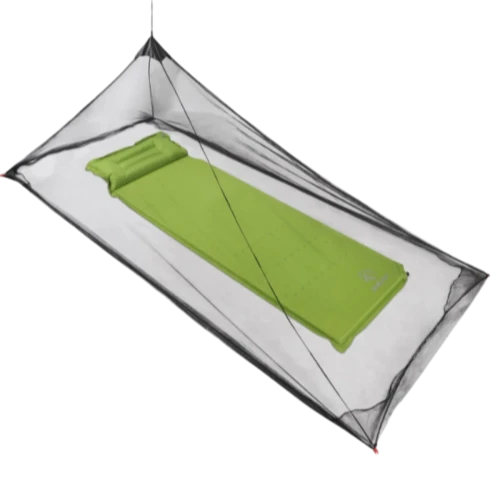
Simply put, a foldable bed net is a lightweight, compact mosquito net designed specifically to fold up flat or into a small bundle for easy transport and storage. Unlike conventional nets that require fixed frames or cumbersome packing, these nets often come with flexible hoops or pop-up rings that snap open for instant setup and fold down just as quickly.
They’re usually crafted from durable, insect-blocking mesh fabric treated with insecticides or repellents, protecting users from disease vectors during sleep — the highest-risk exposure time. This design suits both everyday home use and rapid-deployment scenarios in humanitarian aid, military field operations, and remote medical missions.
Core Factors That Make Foldable Bed Nets, Well… Work
1. Durability
It’s tempting to think this is delicate camping gear, but many foldable bed nets sport tear-resistant fabrics and corrosion-proof frames. The materials are often nylon or polyester meshes with reinforcing threads, ensuring they hold up after repeated folding cycles and rough handling.
2. Portability and Packability
You want a net that fits inside a compact bag or backpack — or for aid agencies, that fits bundles into pallets. Typical foldable nets shrink to roughly 12 inches in diameter when folded, making mobility painless.
3. Ease of Use
A major plus: pop-up mechanisms or simple hoop structures mean no complicated installation, no tools required. Users can set up a functional mosquito barrier in under half a minute — critical in emergency shelters.
4. Insecticide Treatment
Many foldable bed nets are pre-treated with Long-Lasting Insecticidal Nets (LLIN) coatings, effective for up to 3 years or 20 washes per ISO standards [2]. This adds a layer of active protection by reducing mosquito population over time.
5. Size and Shape Variants
From rectangular to circular dome shapes, and sizes for single beds up to doubles or child beds, customization ensures compatibility with varied sleeping arrangements worldwide.
Where Do Foldable Bed Nets Actually Get Put to Work?
- Humanitarian Relief: Organizations like Médecins Sans Frontières (Doctors Without Borders) deploy foldable bed nets after natural disasters or disease outbreaks in tropical countries.
- Rural Homes in Malaria-Endemic Zones: Families in sub-Saharan Africa or Southeast Asia often rely on foldable nets for nightly protection where dedicated bedroom setups might be non-existent.
- Military & Field Operations: Troops operating overseas use compact bed nets that fold into gear kits, blending durability with field practicality.
- Travel and Outdoor Enthusiasts: Campers and backpackers favor foldable nets for lightweight, quick defense against biting insects.
- Remote Medical Clinics: Clinics in isolated areas benefit from the nets for patient wards, helping cut vector-borne disease risk efficiently.
Picking the Right Foldable Bed Net: Specifications at a Glance
| Feature | Typical Range | Notes |
|---|---|---|
| Mesh Material | Polyester / Nylon | Tear resistant with insecticide coating optional |
| Folded Diameter | 10–15 inches (25–38 cm) | Compact for transport |
| Mesh Size | 156 holes/in² to 200 holes/in² | Small enough to block mosquitoes but allow airflow |
| Weight | 0.5 – 1.2 lbs (230–540 g) | Light enough for backpaking and cargo |
| Insecticide Longevity | Up to 3 years / 20 washes | Compliance with WHO LLIN standards |
Brand Comparison: Who Makes the Best Foldable Bed Nets?
| Vendor | Price Range (USD) | Mesh Quality | Portability | Insecticide Coating |
|---|---|---|---|---|
| SafeNet Global | $12–$18 | High-density nylon mesh | Very compact, pop-up design | Yes, WHO recommended |
| EcoShield Nets | $14–$22 | Polyester mesh, eco-friendly treatment | Foldable thin ring frame | Yes, bio-based insecticide |
| TranquilSleeper | $10–$15 | Standard nylon mesh | Pop-up hoops, moderate bulk | No |
Why Invest in Foldable Bed Nets? The Long-Term Benefits
Cost-wise, foldable bed nets save lives without draining budgets. They’re reusable, easy to maintain, and often come with treatments that cut down mosquito populations long-term. That’s a societal win — fewer sick days, lower healthcare costs, and more active, thriving communities.
Emotionally, it’s about dignity and peace of mind. Imagine trying to sleep in a shelter where every buzz sends chills down your spine. These nets offer a sense of safety, even in dire circumstances, contributing to mental well-being.
Plus, they’re better for the planet if designed with eco-friendly materials and coatings, reducing waste from disposable nets.
Latest Trends & Innovations in Foldable Bed Nets
Innovations include integrating nanofiber technology for ultra-fine meshes that block even smaller insects but maintain airflow, smart textiles that monitor insecticide efficacy via color change, and biodegradable nets that safely decompose after end-of-life.
Some companies are exploring solar-powered UV traps incorporated into nets for active mosquito killing. It sounds like sci-fi but reflects growing digital transformation within public health tools.
Challenges and How Industry Players Are Solving Them
Foldable bed nets face issues such as wear and tear from constant folding, insecticide resistance in mosquitoes, and user complacency. To counter these, manufacturers test rigorous folding cycles per ISO 9001 quality standards, experiment with alternative insecticides, and boost public campaigns on net maintenance and consistent use.
Also, supply chain delays during crises can hamper distribution — that’s where compactness helps, allowing larger shipment volumes with minimal space.
FAQ: Your Burning Questions About Foldable Bed Nets
Q1: How easy is it to set up a foldable bed net for a first-time user?
A1: Most foldable bed nets use pop-up hoops or flexible poles that unfold automatically or with minimal effort. Typically, it takes under a minute to set up, even without instructions. This is why they’re favored in emergencies.
Q2: Can foldable bed nets be washed without losing insecticide protection?
A2: Yes. Long-Lasting Insecticidal Nets (LLINs) are designed to retain efficacy after multiple washes — usually up to 20. However, hand washing gently and drying in the shade can prolong lifespan.
Q3: Are foldable bed nets suitable for children?
A3: Absolutely. Many brands offer smaller-sized foldable nets tailored for cribs or child beds, ensuring tight, protective coverage without excess bulk.
Q4: Can NGOs import foldable bed nets internationally with ease?
A4: Generally, yes. Foldable bed nets often comply with global standards such as WHO certification and ISO manufacturing guidelines, streamlining customs and logistics. Working with reputable suppliers helps speed this up.
In Conclusion: Why Foldable Bed Nets Deserve Your Attention
Foldable bed nets occupy a clever intersection of smart design, public health, and adaptability. They don’t just protect against insect-borne diseases; they enable safe sleep in ever-changing environments — from remote villages to disaster zones. Their foldability is not a gimmick but essential to their effectiveness and reach.
If you want to explore or purchase reliable foldable bed net products, tailored to various needs, visit our website for expert advice and quality guarantee. After all, good sleep is a universal need — and sometimes, it’s the little things like a foldable net that change everything.
References:
1. World Health Organization – Malaria Fact Sheet
2. ISO – ISO 61593: Pyrethroid-Treated Nets
3. United Nations Global Malaria Programme – UN Malaria Programme




Latest news
-
Best Guide to Choose a Screen Door for Sliding Door for Your Home
NewsApr.16,2026 -
The Ultimate Guide to Choosing a screen door for a sliding door
NewsApr.09,2026 -
Choosing the Perfect Patio Sliding Screen Door for Your Home
NewsApr.07,2026 -
Choosing the Best Patio Screen Door with Frame for Your Home and Lifestyle
NewsApr.04,2026 -
Comprehensive Guide to Net Sliding Door Price Factors and Options
NewsMar.31,2026 -
Enhance Your Outdoor Space with a Durable Net Sliding Door for Balcony
NewsMar.28,2026 -
Discover the Benefits of Net Door Sliding Systems for Modern Homes
NewsMar.26,2026