

Nov . 27, 2025 12:30 Back to list
Modern Mosquito Nets: Durable, Effective Protection for Global Health
Understanding Mosquito Net Modern: Why It Matters Globally
At first glance, a mosquito net might seem like an old-school tool—simple fabric stretched to keep pesky bugs at bay. But “mosquito net modern” isn’t about nostalgia; it's about redefining a classic with innovation and purpose. Globally, the stakes are significant. Mosquito-borne diseases like malaria, dengue, and Zika virus are responsible for hundreds of thousands of deaths annually, mostly in tropical and developing regions. According to the World Health Organization (WHO), mosquito nets treated with insecticides have reduced malaria deaths by over 50% in recent years.
Why understanding the modern mosquito net matters is pretty clear: it’s saving lives and improving quality of living in vulnerable communities, while simultaneously evolving to meet today’s challenges in durability, accessibility, and environmental impact. Plus, with increasing urbanization and climate change, the risk mosquito-borne diseases pose is shifting, making advanced protective solutions more critical than ever.
The Global Context of Mosquito Net Modern
Across continents—from Southeast Asia’s humid cities to sub-Saharan Africa’s rural expanse—the battle against mosquito-borne illnesses remains tough. UN data estimates that half of the world’s population is at risk of such diseases, and every year sees fluctuating outbreaks exacerbated by changing climate patterns.
Mosquito net modern initiatives are driven not just by humanitarian needs but also by health organisations aiming to reach remote locations efficiently. They emphasize user-friendly designs, scalability in production, and integration with health campaigns. The challenge is balancing cost with technology—these nets must remain affordable and effective, even in the harshest environments.
What Exactly Is a Mosquito Net Modern?
In essence, a mosquito net modern is an evolved mosquito net designed using advanced materials, often impregnated with long-lasting insecticides, optimized mesh size, and enhanced usability features such as ease of installation or portability. Beyond old-school cotton or polyester, these nets incorporate high-tech fibers and sometimes even embedded sensors for monitoring environmental conditions.
More than just a product, they are integral to public health strategies worldwide—where industrial-scale manufacturing meets the frontline fight against disease. Their role is both preventive and transformative, offering dignity and safety to communities historically underserved by health infrastructure.
Core Features Defining Mosquito Net Modern
Durability
Unlike traditional nets that tear after a few months, modern nets use robust synthetic fabrics, like polyethylene or polyester blends, to withstand daily wear and rough handling. UV resistance is often built-in to reduce degradation in sunlit areas.
Insecticide Treatment
Many modern nets are factory-treated with insecticides such as permethrin, providing a protective chemical barrier. This isn’t just about repelling bugs but actively killing or disabling mosquitoes, enhancing safety beyond mere physical blocking.
Breathability and Comfort
Innovations ensure the mesh allows airflow but blocks insects. After all, if a net suffocates the user or traps heat, compliance falls. Comfort means people keep using them nightly.
Portability and Ease of Installation
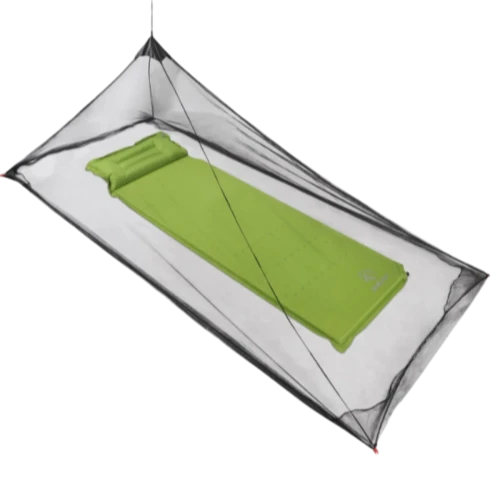
Many are lightweight and foldable, tailored for rapid deployment in emergency or refugee settings. Some models include magnetic or pop-up frames for quick setup.
Cost Efficiency
While superior in materials and treatment, these products must retain affordability. Bulk manufacturing, strategic sourcing, and partnerships with NGOs help balance this.
Sustainability
Newer nets employ recyclable materials or eco-friendly insecticide methods to reduce environmental footprint. This addresses rising concerns about chemical overuse and plastic waste.
Mini Takeaway:
A mosquito net modern isn’t just fabric; it’s carefully engineered protection combining longevity, efficacy, user comfort, and environmental thoughtfulness.
Worldwide Applications & Real-World Use Cases
Where do these nets really shine? Pretty much everywhere mosquitoes bite, but here’s how they fit in:
- Public Health Campaigns: NGOs distribute millions annually in malaria hotspots like sub-Saharan Africa with combined education programs.
- Disaster Relief: After floods or hurricanes in Southeast Asia, rapid-deploy mosquito nets mosquito net modern solutions help prevent disease outbreaks in displaced populations.
- Urban Habitats: Cities with rising mosquito populations use treated nets alongside other control methods.
- Remote Industrial Zones: Workers in tropical mines or forestry rely on portable nets to bring safety to challenging environments.
Product Specification Table: Mosquito Net Modern Example
| Feature | Specification |
|---|---|
| Material | Polyethylene microfibers with UV resistance |
| Mesh Size | 156 holes per square inch |
| Insecticide | Permethrin incorporated – effective for 3 years |
| Weight | 240 grams (standard double size) |
| Packaged Dimensions | 25cm x 15cm x 8cm (folded) |
| Installation | Pop-up frame with magnetic mount |
Comparing Top Vendors in Mosquito Net Modern
| Brand | Insecticide Type | Durability (Years) | Price/Unit (USD) | Sustainability Features |
|---|---|---|---|---|
| SafeGuard Nets | Permethrin Mild | 3 | 3.50 | Biodegradable packaging |
| EcoBlock Mesh | Alpha-cypermethrin | 5 (heavy use) | 4.20 | Recycled fiber |
| UrbanShield | Deltamethrin | 4 | 3.80 | Low chemical runoff design |
Advantages & Long-Term Value of Modern Mosquito Nets
Look, it’s not just about stopping bugs from buzzing near your face. The benefits ripple far beyond. Cost-wise, durable nets mean fewer replacements, slashing how much aid organizations spend over years. That’s significant in budget-tight relief efforts.
Environmentally, many nets now aim to reduce chemical waste and plastic pollution—quite important since millions are distributed annually. And socially? They restore safety and dignity. People sleep peacefully, kids stay healthier, schools see fewer absences. Trust builds when protection is reliable.
Future Trends to Watch in Mosquito Net Modern
The future is bright, surprisingly high-tech even. New research explores biodegradable nets that decompose after their lifespan, digital tracking tags embedded for usage data, and even solar-powered insecticide release systems. Plus, automation in manufacturing brings prices down, opening access to more remote corners of the planet.
There's also growing interest in “smart” nets alerting communities when insecticide levels drop—kind of a Fitbit for public health. And given global pushes for sustainability, expect more eco-friendly materials to dominate.
Challenges & Smart Solutions
Still, challenges persist. Nets sometimes aren’t used properly, get damaged, or lose insecticide potency without obvious signs. Distribution bottlenecks sometimes leave the most vulnerable underserved. And user comfort can vary widely.
Innovative training, community involvement, and modular product designs aim to fix these. For instance, easier troubleshooting and re-treatment kits are helping extend net life. Some NGOs combine net distribution with smartphone apps to educate and gather feedback—small tech making a big difference.
FAQ: Your Mosquito Net Modern Questions Answered
Q1: How long does a modern insecticide-treated mosquito net typically last?
A: Most modern nets treated with insecticides like permethrin last 3-5 years under normal usage, though durability depends on local conditions and how carefully they're maintained.
Q2: Are modern mosquito nets safe for children and pregnant women?
A: Yes, the insecticides used are carefully regulated and safe when nets are used as directed. They provide critical protection to vulnerable groups, reducing malaria risk substantially.
Q3: How do I know if my mosquito net needs replacement or re-treatment?
A: Visible holes, sagging fabric, or reduced insecticidal effect (more mosquito bites despite use) are signs it's time. Some nets now come with color indicators signaling insecticide depletion.
Q4: Can modern nets be used outdoors or only indoors?
A: While primarily designed for indoor use over beds, some portable models are made for outdoor or emergency use, especially in refugee camps or fieldwork.
Q5: How can NGOs ensure cost-efficiency when distributing mosquito nets?
A: Partnering with manufacturers for bulk orders, choosing durable long-lasting nets, and combining distributions with education campaigns maximize impact and reduce waste.
Conclusion: Why Mosquito Net Modern Still Matters Tomorrow
It’s fascinating how an object as simple as a mosquito net evolves with science and societal needs. Mosquito net modern merges innovation with empathy—protecting millions from preventable diseases while respecting comfort and the planet.
If you’re curious to explore more on how these nets continue shaping public health and development, visit our website: https://www.crscreen.com for detailed info, product specs, and updates from the field.
Mini Takeaway:
Modern mosquito nets balance technology, sustainability, and practical usage to create safer, healthier lives worldwide. Sometimes the simplest tools get the smartest upgrades.
References:

Latest news
-
Best Guide to Choose a Screen Door for Sliding Door for Your Home
NewsApr.16,2026 -
The Ultimate Guide to Choosing a screen door for a sliding door
NewsApr.09,2026 -
Choosing the Perfect Patio Sliding Screen Door for Your Home
NewsApr.07,2026 -
Choosing the Best Patio Screen Door with Frame for Your Home and Lifestyle
NewsApr.04,2026 -
Comprehensive Guide to Net Sliding Door Price Factors and Options
NewsMar.31,2026 -
Enhance Your Outdoor Space with a Durable Net Sliding Door for Balcony
NewsMar.28,2026 -
Discover the Benefits of Net Door Sliding Systems for Modern Homes
NewsMar.26,2026