

Nov . 27, 2025 10:20 Back to list
Modern Mosquito Nets for Beds – Durable, Effective Bed Nets to Protect Against Malaria and More
What Are Modern Mosquito Nets for Beds and Why Do They Matter?
Honestly, when you first hear "modern mosquito nets for beds," you might think it's just an old-fashioned charm reimagined. But the reality is far more impactful — especially globally. We’re talking about simple yet incredibly effective tools that help prevent diseases transmitted by mosquitoes, like malaria, dengue, and Zika virus, which collectively threaten hundreds of millions worldwide every year.
The modern twist on mosquito nets transforms traditional netting into high-tech and user-friendly designs, ensuring enhanced protection, comfort, and durability. Key benefits include improved sleep quality, fewer insect-borne illnesses, and a dignified barrier that fits modern lifestyles.
Global Context: Why the Buzz Around Modern Mosquito Nets for Beds?
To understand their significance, let’s look globally: The World Health Organization estimates that malaria alone caused over 600,000 deaths in 2021, predominantly in sub-Saharan Africa. Bed nets impregnated with insecticides have been a frontline defense — but now, modern nets with better materials and design help tackle limitations like durability and ease of use.
With climate change expanding mosquito habitats, urbanization increasing exposure, and global travel spreading vectors, the need for advanced mosquito nets is a pressing public health priority. Plus, they’re vital tools in humanitarian aid when relief efforts deploy in malaria-prone areas.
Defining Modern Mosquito Nets for Beds
So, what exactly makes a mosquito net “modern”? In essence, these are bed-covering nets crafted from engineered textiles, often combined with long-lasting insecticidal treatments or made from advanced fibers like polyethylene or polyester. The design evolves around frictionless nets that hang easily, prevent tears, resist UV damage, and stay breathable for comfort.
Compared to traditional cotton nets where wear and insecticide fading were problems, these modern nets align with both consumer expectations and global health standards, blending tech and humanitarian needs into one package.
Core Factors That Shape Modern Mosquito Nets for Beds
1. Material Durability and Breathability
Many engineers I talked to stress that durability is king. Modern nets use robust, lightweight polyester or polyethylene fabrics that resist tearing. At the same time, they must remain breathable so users don't feel like they are trapped in a sauna. This balance isn’t easy but feels crucial for real-world use.
2. Insecticide Treatment and Effectiveness
Long-lasting insecticide-treated nets (LLINs) are a game-changer. The chemical bonds to the fibers and slowly releases over time, targeting mosquitoes. This adds a layer of defense beyond the mere physical barrier, cutting down disease transmission dramatically.
3. Design and Ease of Installation
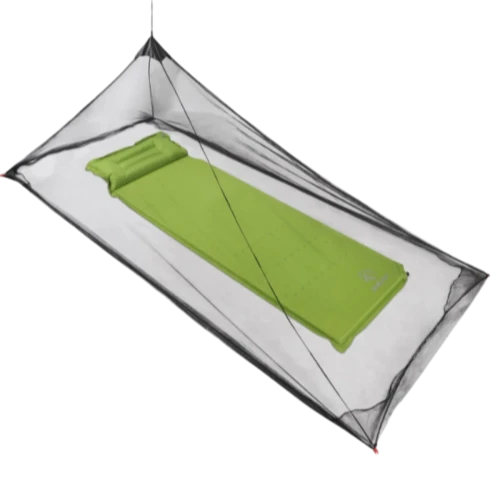
Modern nets come with various attachment systems — pop-up frames, magnetic strips, or simple hooks — making setup fast even for those unfamiliar with traditional nets. For restless sleepers or small children, some designs also prevent gaps where mosquitoes can sneak in.
4. Cost Efficiency and Accessibility
Although modern nets cost more upfront than basic alternatives, their lifespan and protective impact usually make them affordable over their lifetime. A well-made net can last three to five years, saving health costs related to mosquito-borne illnesses.
5. Eco-Friendly Production Methods
Emerging production standards emphasize lower environmental impact — from recycled textiles to non-toxic insecticides. ISO standards for textile production and safety testing ensure that nets meet both local needs and global sustainability goals.
Product Specifications of Typical Modern Mosquito Nets for Beds
| Feature | Specification |
|---|---|
| Fabric | Polyester/Polyethylene mesh (75 denier) |
| Mesh size | 156 holes per square inch (≈2x2 mm) |
| Insecticide | Long-lasting pyrethroid treatment (up to 3 years) |
| Dimensions | Single: 180x100x150 cm; Double: 200x150x150 cm |
| Weight | ~350 grams (single) |
| Installation | Hooks, loops, or magnetic fasteners |
Mini takeaway: The specs show a balance of strong materials, insecticide longevity, and ease — all vital for lasting protection.
Global Applications and Real-World Use Cases
In real terms, these nets save lives in various settings. Take malaria-endemic Africa, for instance — distribution campaigns via WHO and UNICEF have protected millions. In Southeast Asia, where both dengue and malaria threaten, urban dwellers use modern nets in studio apartments to reduce bites. Post-disaster zones like cyclone-hit Bangladesh see NGOs deploying these nets en masse to prevent outbreaks in congested shelters.
Even in remote industrial zones — think mining camps in South America — modern mosquito nets safeguard workers who otherwise risk illness in exotic environments. It’s a fascinating intertwining of global health, industrial safety, and consumer convenience.
For those interested, check out modern mosquito nets for beds to see options tailored for different markets and climates.
Vendor Comparison: What to Look for When Choosing a Supplier
| Supplier | Insecticide Treatment | Lead Time | Certifications | Sustainability |
|---|---|---|---|---|
| SafeSleep Co. | Permethrin-based LLIN | 4 weeks | ISO 14001, WHO Pesticide Eval. | Uses recycled polyester |
| NetGuard Solutions | Alpha-cypermethrin LLIN | 3 weeks | OEKO-TEX, WHO certified | Eco-friendly insecticide options |
| EcoNets Intl. | No chemical treatment (physical barrier) | 2 weeks | Global Organic Textile Standard (GOTS) | 100% organic cotton |
Advantages and Long-Term Value
There’s something oddly reassuring about modern mosquito nets. Beyond preventing bites, they deliver peace of mind that stretches across emotional and practical lines. In regions plagued by insect-borne illnesses, they’re more than just gear — they’re a line between life and sickness.
From a cost standpoint, using a modern net means fewer sick days, reduced healthcare expenses, and even economic upliftment as families stay healthier. The sustainability angle isn’t just a buzzword either — long-lasting nets reduce waste and lessen frequent replacements.
And, frankly, it just feels smarter and kinder. Giving someone a net that’s robust and easy to use respects dignity and promotes trust in ongoing health efforts.
Future Trends in Modern Mosquito Nets for Beds
Looking ahead, expect mosquito nets integrated with smart fabrics—like temperature-regulating fibers or sensors that alert users when insecticide potency fades. Some companies experiment with biodegradable meshes that don’t compromise strength.
On the policy side, more countries are adopting standardized textile regulations and green manufacturing mandates. Automation in production also means costs could fall, making premium nets accessible even in the poorest communities.
Challenges and How to Overcome Them
No solution is perfect, right? Some users find nets too warm, or the insecticide may degrade unevenly if improperly stored. Distribution logistics in remote areas remain a hurdle. There’s also the challenge of user education — nets must be used consistently and correctly.
Experts suggest combining community outreach with supply chains and piloting new net designs tailored to local climate and cultural preferences. Forging partnerships between NGOs, governments, and manufacturers can ease these issues.
FAQ: Common Questions About Modern Mosquito Nets for Beds
What makes modern mosquito nets different from traditional ones?
Modern nets often use durable synthetic fibers and incorporate long-lasting insecticides bonded to the fabric, unlike traditional cotton nets that degrade faster and lack insecticide treatment. They’re designed for easier installation and longer lifespan.
How long do insecticide-treated mosquito nets last?
Generally, LLINs maintain effective insecticide levels for about three years under normal use. After that, the insecticide potency reduces, though the physical barrier remains. Proper washing and storage help extend effectiveness.
Are modern mosquito nets safe for children and pregnant women?
Yes. The insecticides used in LLINs are approved by WHO and are considered safe when nets are used as intended. The physical barrier also offers no risk. It’s a highly recommended preventive measure, especially for vulnerable groups.
Can I use modern mosquito nets in urban apartments?
Absolutely! Modern nets come in compact sizes and easy-to-install formats — pop-up or magnetically fastened nets are popular for city dwellers to reduce mosquito bites without compromising aesthetics or comfort.
Where can I find quality modern mosquito nets?
Numerous suppliers like SafeSleep Co., NetGuard Solutions, and EcoNets Intl. provide modern nets worldwide. Checking for certifications like WHO approval and ISO standards ensures quality. Visit modern mosquito nets for beds for vetted options.
Wrapping Up: Why Modern Mosquito Nets Are a Worthy Investment
Ultimately, modern mosquito nets for beds blend tradition with innovation, giving users protection that’s effective, long-lasting, and kind to the environment. Whether in remote villages or urban centers, they remain a frontline defense helping millions sleep safely each night.
Curious to upgrade your protection or support field initiatives? Visit our website for expert guidance and a curated selection of nets designed for the challenges ahead.
References

Latest news
-
Best Guide to Choose a Screen Door for Sliding Door for Your Home
NewsApr.16,2026 -
The Ultimate Guide to Choosing a screen door for a sliding door
NewsApr.09,2026 -
Choosing the Perfect Patio Sliding Screen Door for Your Home
NewsApr.07,2026 -
Choosing the Best Patio Screen Door with Frame for Your Home and Lifestyle
NewsApr.04,2026 -
Comprehensive Guide to Net Sliding Door Price Factors and Options
NewsMar.31,2026 -
Enhance Your Outdoor Space with a Durable Net Sliding Door for Balcony
NewsMar.28,2026 -
Discover the Benefits of Net Door Sliding Systems for Modern Homes
NewsMar.26,2026