

Apr . 04, 2026 02:35 Back to list
Choosing the Best Patio Screen Door with Frame for Your Home and Lifestyle
Choosing the Right Patio Screen Door with Frame: A Comprehensive Guide
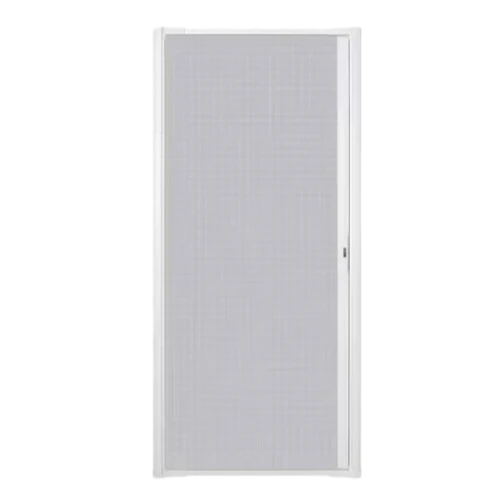
A patio screen door with frame is an essential component for enjoying fresh air while keeping insects and debris out of your home. Selecting the right door involves considering factors like material, size, installation type, and budget. This article provides an in-depth look at everything you need to know to choose the best patio screen door with frame for your needs. We'll cover different types, materials, installation options and things to consider before you buy.
Understanding the Different Types of Patio Screen Doors
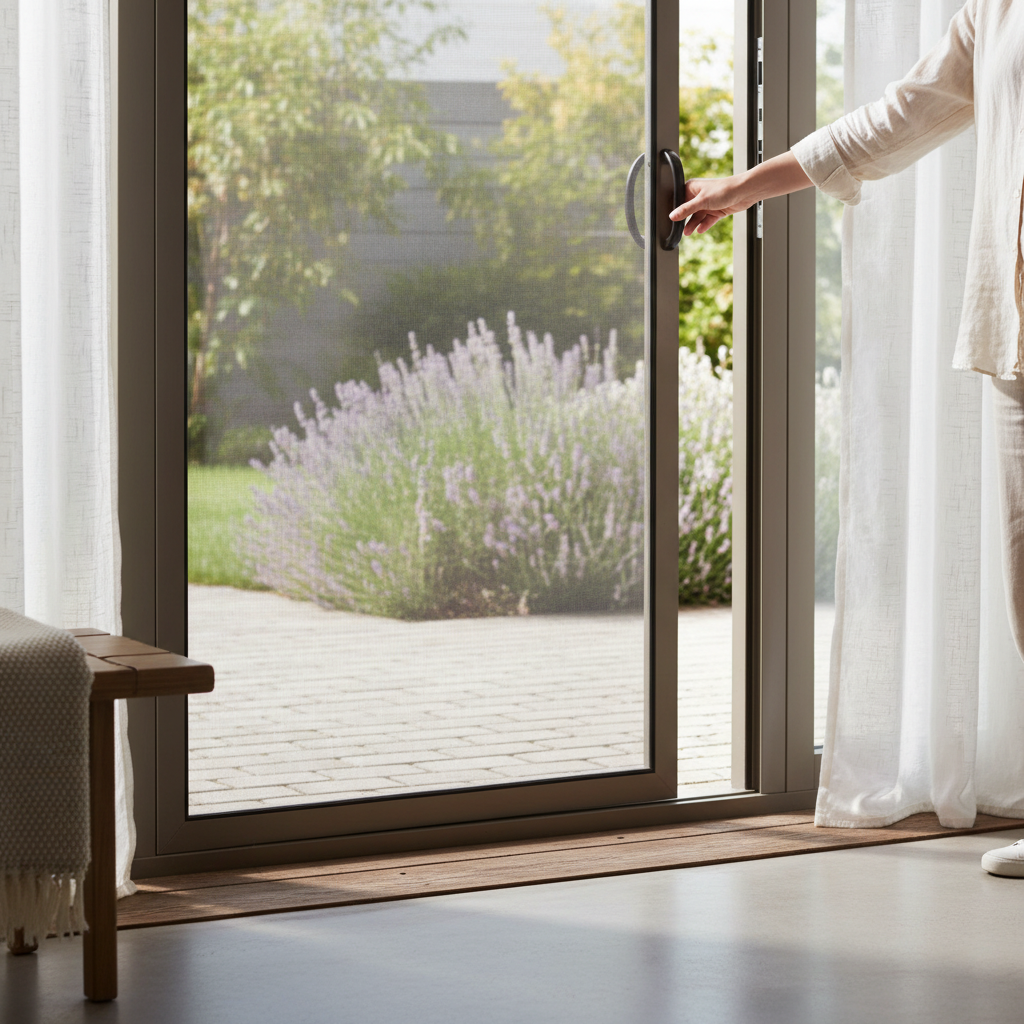
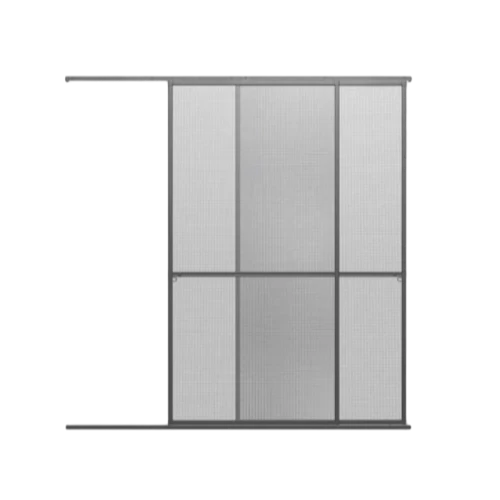
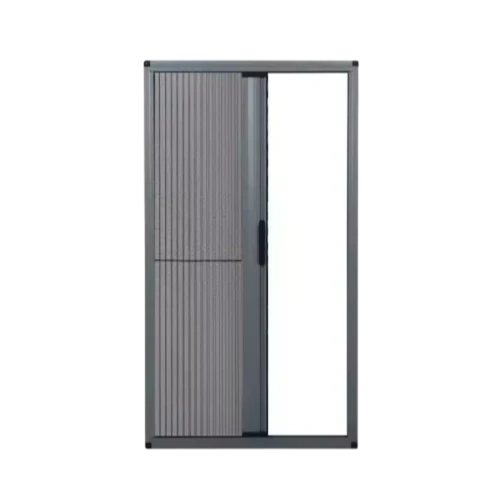
Patio screen doors come in several varieties, each with its own advantages. The most common types include sliding screen doors, swinging screen doors, and magnetic screen doors. Sliding doors are ideal for patios with sliding glass doors, offering smooth operation and space-saving design. Swinging doors are a classic choice, often used with hinged patio doors. Magnetic screen doors are a newer option, using magnets to create a self-closing seal, which is especially useful for high-traffic areas. CRScreen offers a variety of options to suit diverse patio configurations.
Key Highlights: Choosing the right type of patio screen door depends on your existing patio door style and your personal preferences. Consider the frequency of use and the level of security required.
Material Matters: Comparing Frame and Screen Options
The materials used in a patio screen door with frame significantly impact its durability, appearance, and cost. Frames are commonly made from aluminum, wood, or vinyl. Aluminum is a popular choice due to its strength, rust resistance, and affordability. Wood frames offer a classic aesthetic but require more maintenance. Vinyl frames are low-maintenance and energy-efficient. Screen materials typically include fiberglass, aluminum, and polyester. Fiberglass screens offer excellent durability and resistance to tearing, while aluminum is strong and relatively inexpensive. Polyester screens are a budget-friendly option but may not be as durable.
Material Benefits:
• Aluminum: Strong, rust-resistant, affordable
• Wood: Classic aesthetic, requires maintenance
• Vinyl: Low-maintenance, energy-efficient
• Fiberglass: Durable, tear-resistant
Patio Screen Door with Frame: A Comparison of Common Styles
Choosing between different styles of patio screen door with frame can be overwhelming. Each style offers unique benefits and drawbacks. Below is a table comparing some popular choices. Consider your patio layout and your needs when making a decision. CRScreen can help you find the perfect fit.
Installation Options: DIY vs. Professional Installation
Installing a patio screen door with frame can be a DIY project for experienced homeowners. However, professional installation ensures a precise fit and proper operation. DIY installation requires basic tools and careful measurements. If you're uncomfortable with home improvement projects or lack the necessary skills, hiring a professional is recommended. A poorly installed door can lead to air leaks, insect intrusion, and premature wear.
Factors to Consider Before You Buy
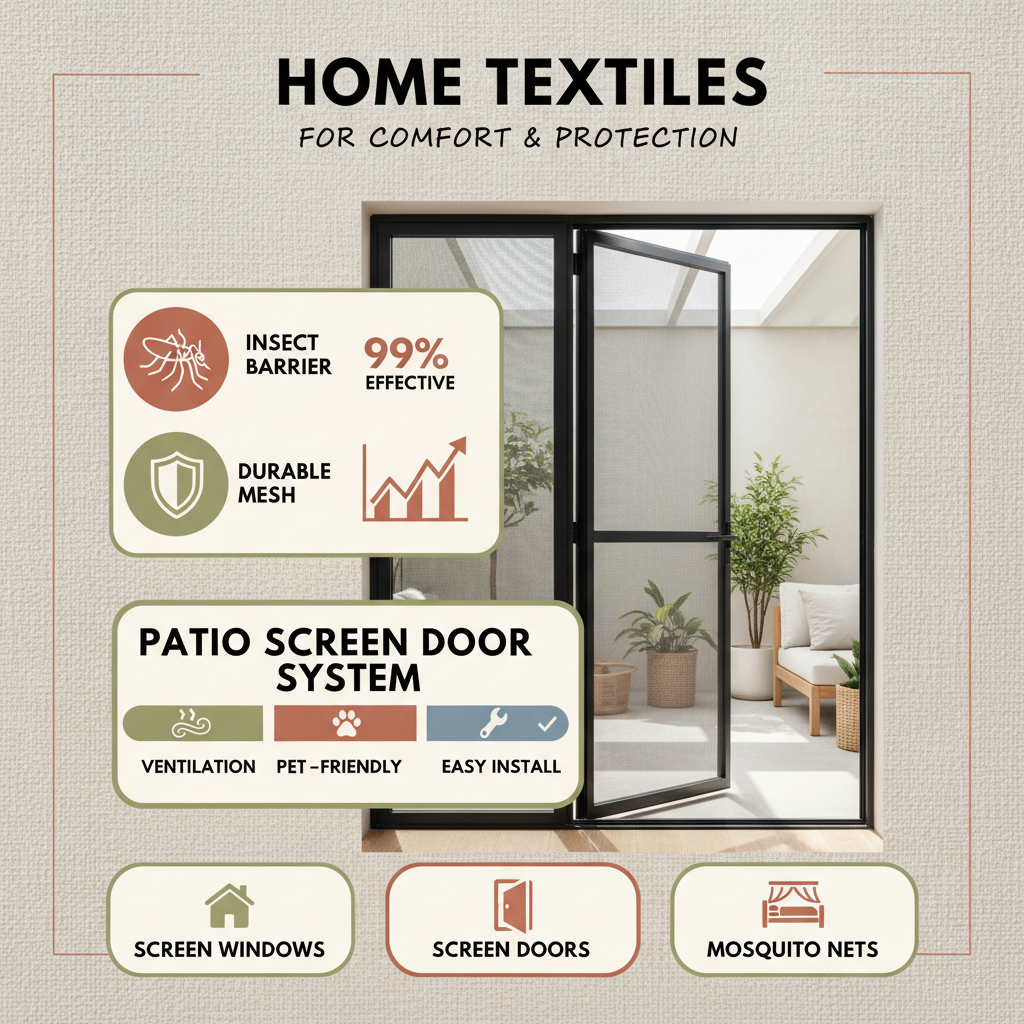
Before purchasing a patio screen door with frame, consider the size of your patio opening, the type of existing door, your budget, and your desired level of security. Accurate measurements are crucial for ensuring a proper fit. Think about the screen material and frame material that best suits your climate and lifestyle. CRScreen provides custom sizing options and expert advice to help you make the right choice.
Conclusion: Enhancing Your Outdoor Living with the Right Screen Door
Investing in a quality patio screen door with frame is a worthwhile investment for enhancing your outdoor living space. By carefully considering your needs and choosing the right materials and style, you can enjoy fresh air, natural light, and protection from insects and debris. Don’t hesitate to explore the options available at CRScreen to find the perfect solution for your home.
Frequently Asked Questions (FAQs)
What is the typical lifespan of a patio screen door?
The lifespan of a patio screen door varies depending on the materials used and the level of care it receives. Aluminum frame doors typically last 10-20 years with proper maintenance. Wood frames may require more frequent upkeep and may last 5-10 years. Screen material also impacts longevity; fiberglass screens generally outlast polyester screens. Regular cleaning and prompt repair of any damage can significantly extend the life of your screen door. Factors such as exposure to harsh weather conditions and frequency of use will also play a role.
How do I measure for a new patio screen door?
Accurate measurements are essential for a proper fit. Measure the width and height of the opening inside the door frame. Take measurements at the top, middle, and bottom of the opening, as these may vary slightly. Use the smallest measurement for both width and height. Also, measure the depth of the opening to ensure the screen door frame will fit without obstruction. It's always best to double-check your measurements before placing an order or starting a DIY installation. CRScreen offers guides and assistance with accurate measurements.
Can I repair a torn screen on my patio door?
Yes, minor tears in your patio screen can often be repaired. Small holes can be patched with a screen repair kit, which includes adhesive and screen material. Larger tears may require replacing the entire screen panel. For significant damage, or if you are uncomfortable with DIY repairs, it's best to consult with a professional screen repair service. CRScreen offers screen repair services and replacement panels.
What are the benefits of choosing an aluminum frame for my patio screen door?
Aluminum frames offer several benefits, including durability, corrosion resistance, and affordability. Aluminum is lightweight yet strong, making it ideal for resisting warping or bending. It doesn't rust, so it's a good choice for humid climates or areas near saltwater. Aluminum frames are also relatively low-maintenance, requiring only occasional cleaning. They're available in a variety of colors and finishes to match your home’s exterior.
Latest news
-
Best Guide to Choose a Screen Door for Sliding Door for Your Home
NewsApr.16,2026 -
The Ultimate Guide to Choosing a screen door for a sliding door
NewsApr.09,2026 -
Choosing the Perfect Patio Sliding Screen Door for Your Home
NewsApr.07,2026 -
Comprehensive Guide to Net Sliding Door Price Factors and Options
NewsMar.31,2026 -
Enhance Your Outdoor Space with a Durable Net Sliding Door for Balcony
NewsMar.28,2026 -
Discover the Benefits of Net Door Sliding Systems for Modern Homes
NewsMar.26,2026 -
Choosing the Best Mosquito Screen Sliding Door for Home Comfort and Protection
NewsMar.24,2026