

Nov . 27, 2025 18:35 Back to list
Comprehensive Guide to Mosquito Net Manufacturing – Innovations, Challenges & Global Impact
What Is Mosquito Net Manufacturing and Why It Matters Globally
At first glance, mosquito net manufacturing might seem like just another niche industrial process. But if you take a step back, it reveals itself as a critical global health and economic lifeline. Around 2 billion people worldwide live in areas where mosquito-borne diseases like malaria, dengue, and Zika are endemic. Sleep or work without protection, and a risk of infection lurks every night — sometimes with deadly consequences. Manufacturing mosquito nets efficiently and affordably ensures millions gain access to this simple yet vital barrier. It prevents illness, reduces healthcare costs, and supports economic stability in vulnerable regions.
Understanding the intricacies of mosquito net manufacturing not only highlights its technical challenges but also illuminates why investment and innovation here create outsized impacts on global wellbeing.
The Global Context: Mosquito Net Manufacturing’s Role in Public Health
Globally, mosquito net manufacturing sits at an intersection of medicine, manufacturing, and humanitarian effort. According to the World Health Organization, malaria alone causes over 600,000 deaths annually, mostly children under five in Sub-Saharan Africa. The WHO’s push for Long-Lasting Insecticidal Nets (LLINs) has revolutionized mosquito net use, making durability and effectiveness key manufacturing criteria. In addition, UN reports estimate billions of dollars saved in healthcare expenditures thanks to widespread net distributions.
Yet a persistent challenge remains — producing nets that are scalable, cost-effective, and able to withstand the rough conditions typical of tropical zones. This is where smart manufacturing techniques, material science, and logistics come together.
Defining Mosquito Net Manufacturing
Simply put, mosquito net manufacturing is the process of designing, producing, and treating nets to create protective barriers against mosquitoes. It spans raw material selection, weaving or knitting fine meshes, chemical treatment with insecticides, cutting/assembling into usable shapes, packaging, and quality control. While the concept is straightforward, modern manufacturing integrates advanced fibers (like polyethylene or polyester), insecticide impregnation technology, and international safety standards compliance.
It’s a vital industrial practice linking mass production capabilities to urgent health needs — especially in under-resourced communities and disaster relief operations.
Core Components of Quality Mosquito Net Manufacturing
1. Durability: Toughness Meets Comfort
The net should survive frequent handling, washing, and local environmental risks like heat or humidity without tearing or losing efficacy. Manufacturers often use high-tenacity polyethylene fibers and double-knit weaves for tensile strength. Durability directly affects how many cycles of cleaning a net can endure, which is critical because damaged nets quickly lose protective value.
2. Scalability: Meeting Massive Demand
Organizations distribute millions of nets yearly. Manufacturing lines must scale efficiently — from single-shift sporadic production to 24/7 assembly with automation. Fast, reliable output ensures donors and governments meet demand during seasonal outbreaks or emergency interventions.
3. Cost Efficiency: Balancing Price and Performance
Since mosquito nets are often distributed free or at nominal cost, keeping production costs low while maintaining performance is a perpetual balancing act. Material sourcing, insecticide treatment processes, and waste reduction have all become focal points for cost containment.
4. Insecticide Treatment: Longevity and Safety
Modern nets typically use LLIN technology, where insecticide is either coated or embedded within fibers. This increases the net's effectiveness for up to three years without retreatment. Manufacturing must ensure safe handling and uniform insecticide distribution, meeting WHO safety standards.
5. Customization & Design
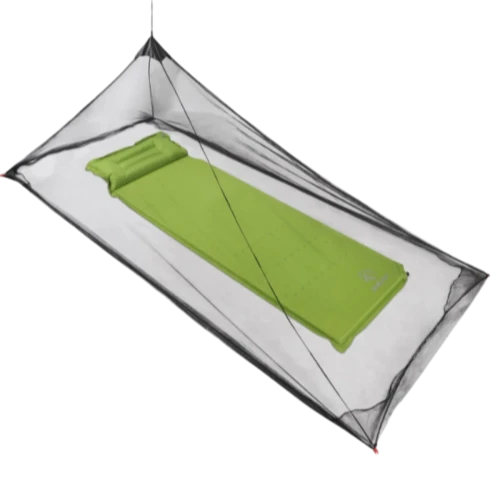
Manufacturers often tailor nets by size, shape (rectangular, conical), colors, and packaging styles, depending on intended use, cultural preferences, and climate conditions. User-friendly features like convenient hanging loops or UV resistance enhance adoption.
Mini takeaway: A high-quality mosquito net marries strength, mass production, affordability, safety, and user-centric design — an intricate blend requiring technical discipline and humanitarian insight.
Real-World Applications of Mosquito Net Manufacturing
The impact of mosquito net manufacturing is visible in various zones and sectors:
- Sub-Saharan Africa: Routine mass distributions aligned with malaria seasonality, aiming for universal coverage.
- Post-Disaster Relief: Emergency supplies shipped to disaster-affected regions, where stagnant water spikes mosquito populations.
- Remote Industrial Zones: Mining and logging camps deploy nets to protect workers who often live in temporary shelters.
- Global Health Organizations: UN agencies, NGOs, and governments run campaigns based on mass net production and distribution partnerships.
For instance, a large-scale UN-funded malaria control initiative in Mozambique delivered over 20 million nets manufactured locally in 2023, reducing child mortality dramatically within two years. It's a kind of quiet revolution happening silently in factory floors worldwide — nets become shields.
Advantages and Long-Term Value
The immediate benefit is obvious: reduced mosquito bites and lower disease transmission. But the ripple effects catch my eye:
- Cost Savings: Lowered healthcare costs and loss of worker productivity.
- Sustainability: Long-lasting nets reduce plastic waste and disposal frequency.
- Social Impact: Empowering at-risk communities with dignity and safety.
- Reliability: Consistent product standards build trust among users and procurement bodies.
Emotionally, a well-made mosquito net means a peaceful night — a priceless factor for children and families living in uncertainty. Innovation fuels this trust: from better weaves that breathe well to safer insecticides.
Product Specification Table
| Feature | Specification |
|---|---|
| Material | Polyethylene monofilament (75 denier) |
| Mesh Size | 156 holes/in² (approx. 25 holes/cm²) |
| Insecticide | Permethrin embedded, lasts 3+ years |
| Dimensions | 190x180x150 cm (rectangular) |
| Weight | 250 grams |
| Lifespan | 3 years (with proper use and care) |
Comparing Top Mosquito Net Manufacturers
| Company | Annual Production Capacity | Key Markets | Innovation Focus | Certifications |
|---|---|---|---|---|
| NetGuard Inc. | 15 million nets | Africa, Asia | Biodegradable fibers | WHO, ISO 9001 |
| SafeSleeps Ltd. | 10 million nets | Latin America, Africa | LLIN embedding tech | WHO, REACH Compliant |
| EcoMesh Global | 8 million nets | Asia Pacific | Solar-powered production | ISO 14001 |
Looking Ahead: Future Trends in Mosquito Net Manufacturing
What’s next? There’s a clear push toward sustainability, automation, and smarter products. Green manufacturing plants powered by solar and wind energy reduce the carbon footprint while maintaining output. I found it fascinating that some companies are researching self-cleaning net coatings and even integrating sensors to detect holes or insecticide levels. Digital supply chains now track net distribution in real time, helping NGOs optimize deliveries.
Biodegradable materials are gaining traction, which could be a game-changer for waste management in crowded urban areas. Also, legislation like the European Union’s REACH regulations nudges manufacturers to adopt safer chemical treatments, which is good news for people and ecosystems alike.
Challenges & What’s Being Done
Despite strides, it’s not all rosy. Manufacturing challenges include fluctuating raw material costs, insecticide resistance in mosquitoes, and ensuring quality control at scale. It’s tricky to provide high-quality nets affordably to rural, remote communities.
Some companies combat this by investing in local production hubs, effectively cutting logistics costs and creating jobs. Innovative coating techniques and new insecticides help address resistance. Plus, public-private partnerships rally funding to build smarter factories.
Frequently Asked Questions (FAQ) About Mosquito Net Manufacturing
Q1: What materials are most commonly used for mosquito nets, and why?
A: Polyester and polyethylene are the most common materials due to their durability, lightweight, and cost-effectiveness. Polyethylene in particular offers better tensile strength and resists UV degradation, making it ideal for tropical climates.
Q2: How long do treated mosquito nets remain effective?
A: Long-Lasting Insecticidal Nets (LLINs) typically maintain protective insecticide levels for 3 to 5 years under normal usage. Effectiveness depends on proper usage, washing practices, and storage conditions.
Q3: Can mosquito nets be customized for specific regions?
A: Absolutely. Customizations include shape (rectangular, conical), size, colors, and packaging. Local cultural preferences and climatic factors usually guide design decisions.
Q4: What challenges do manufacturers face in meeting global demand?
A: High demand spikes during outbreaks create production bottlenecks. Raw material price volatility, insecticide resistance, and distribution logistics in tough terrains also challenge operations.
Q5: Are eco-friendly mosquito nets currently available?
A: Yes, some manufacturers have begun producing nets with biodegradable fibers and safer insecticides, aiming to reduce environmental impact while maintaining protection.
In Conclusion: The Heart of Mosquito Net Manufacturing
Ultimately, mosquito net manufacturing is about more than just weaving fibers — it’s weaving safety nets for millions worldwide. The convergence of innovative materials, scalable production, and global health needs makes it a sector both technically fascinating and deeply human. If reducing diseases and safeguarding families sounds like a worthy priority to you, consider diving deeper and supporting initiatives in this space.
For more insights and the latest in mosquito net manufacturing solutions, visit our website: mosquito net manufacturing.
Mini takeaway: Behind every net lies a story of ingenuity, hope, and the drive to protect lives — a beautifully complex industry worth watching and championing.
References


Latest news
-
Best Guide to Choose a Screen Door for Sliding Door for Your Home
NewsApr.16,2026 -
The Ultimate Guide to Choosing a screen door for a sliding door
NewsApr.09,2026 -
Choosing the Perfect Patio Sliding Screen Door for Your Home
NewsApr.07,2026 -
Choosing the Best Patio Screen Door with Frame for Your Home and Lifestyle
NewsApr.04,2026 -
Comprehensive Guide to Net Sliding Door Price Factors and Options
NewsMar.31,2026 -
Enhance Your Outdoor Space with a Durable Net Sliding Door for Balcony
NewsMar.28,2026 -
Discover the Benefits of Net Door Sliding Systems for Modern Homes
NewsMar.26,2026