

Nov . 28, 2025 10:30 Back to list
Explore Different Types of Mosquito Nets for Beds – Choosing the Right Protection
Understanding the Different Types of Mosquito Nets for Beds
It may seem like a simple household item, but mosquito nets for beds have an outsized role globally—saving millions of lives every year. When we talk about different types of mosquito nets for beds, it’s really about more than just fabric and mesh; it’s about addressing the ongoing challenge of mosquito-borne diseases such as malaria and dengue, especially in vulnerable regions. Knowing these variations helps individuals, NGOs, and governments make better choices aligned with cost, climate, and cultural contexts. So, why does it matter? Because a humble mosquito net can be the difference between health and hardship for communities worldwide.
The Global Context: Mosquito Nets as a Frontline Defense
According to the World Health Organization (WHO), malaria alone affected over 200 million people globally in recent years, with many cases resulting from mosquito bites at night. The United Nations supports mosquito net distribution programs, emphasizing treated nets as a key preventive tool. This makes understanding the different types of mosquito nets for beds vital for efficient health interventions and sustainable living solutions.
But here’s the curveball: Not all nets are created equal. Variations in materials, treatments, and design directly impact how well they prevent bites, how durable they are, and even how people use them. For example, untreated nets might be cheaper but less effective; some nets are designed for tropical humidity, others for dry regions.
What Exactly Are Mosquito Nets and Why Are They So Essential?
A mosquito net is a fabric mesh barrier designed to create a physical blockade between sleeping people and insects, mainly mosquitoes. They often come with insecticide treatments that enhance protection. Different nets cater to different environments and uses:
- Traditional hand-sewn cotton nets
- Polypropylene or polyester with insecticide impregnation
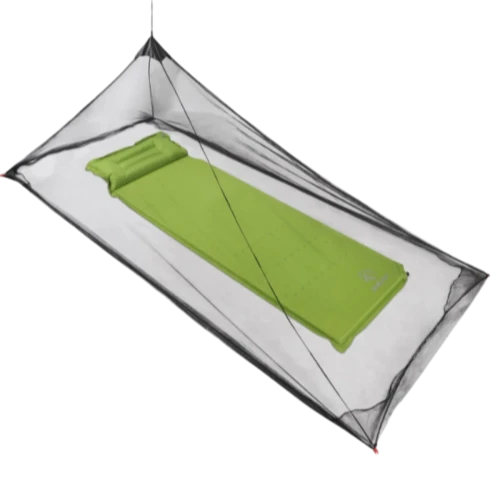
- Pop-up or tent-style nets for portability
- Frame-supported nets for larger beds or communal housing
For humanitarian organizations, these nets are life-saving assets. They're incorporated in global health strategies, making the understanding of different types crucial for deployment and planning.
Core Components that Define Effective Mosquito Nets
1. Material and Mesh Size
The material determines durability and comfort. Polyester meshes are common for their strength and breathability, with mesh sizes tight enough (about 156 holes per square inch) to keep out the smallest mosquitoes.
2. Insecticide Treatment
Long-Lasting Insecticidal Nets (LLINs) have insecticide embedded during manufacturing, lasting up to 3 years. This is a game-changer in malaria prevention but adds cost and regulatory complexity.
3. Design and Ease of Installation
From box-style to conical and pop-up nets, design plays into practicality. In refugee camps or disaster zones, fast deployment nets that don’t require extra supports are preferred.
4. Size and Coverage
Different bed sizes and sleeping arrangements mean nets must vary. Some are designed to cover single beds, while larger family nets cover double or queen-sized beds entirely.
5. Durability and Washability
Washing can degrade insecticide and fabric quality. Durable nets withstand multiple washes without losing efficacy.
Mini Takeaway:
Choosing the right mosquito net means balancing durability, protection, ease of use, and local conditions — no one-size-fits-all approach here.
Where and How Are Different Mosquito Nets Used Worldwide?
In Southeast Asia and Sub-Saharan Africa, NGOs distribute millions of LLINs annually to reduce malaria rates, often alongside education programs. Meanwhile, in affluent urban areas, untreated decorative nets are often used simply to keep general insects away or for aesthetic purposes.
In emergency situations, such as after natural disasters, pop-up or frame-supported nets become critical. For instance, during the Rohingya refugee crisis, rapid deployment nets with built-in frames ensured quick protection. Industrial workers in remote sites, like mining camps in South America, sometimes use nets designed with reinforced fabric against abrasions.
Product Specification Table: Typical Mosquito Nets for Beds
| Feature | Basic Untreated Net | LLIN (Long-Lasting). | Pop-up Travel Net | Frame-Supported Net |
|---|---|---|---|---|
| Material | Polyester | Polypropylene + Insecticide | Nylon Mesh | Cotton+Polyester Blend |
| Mesh Size | 156 holes/in² | 156 holes/in² | 160 holes/in² | 150 holes/in² |
| Insecticide Treatment | No | Yes, up to 3 years | No | Optional |
| Typical Use | Household | NGOs, Clinics | Travel, Emergencies | Community Dorms |
| Lifespan | 1 year (wash-dependent) | Up to 3 years | 6-12 months | 2+ years |
Comparing Top Mosquito Net Vendors
| Feature | SafeSleep Inc. | NetGuard Solutions | EcoNet Worldwide |
|---|---|---|---|
| Pricing (per unit) | $4.50 (bulk) | $5.00 | $6.25 |
| Net Type | LLIN Standard | Pop-up + LLIN | Eco-friendly untreated |
| Lead Time | 2 weeks | 1 week | 3 weeks |
| Customization | Color, size options | Varies by order | Eco-certified fabrics |
| Warranty/Guarantee | 1 year | 6 months | No formal warranty |
The Tangible and Intangible Benefits of Mosquito Nets
Beyond pest protection, mosquito nets provide safety and dignity by reducing fear of disease during sleep. Economically, a good net reduces medical costs related to malaria treatments — that's huge in low-income areas. From a sustainability angle, LLINs engineered to last longer prevent massive waste and frequent repurchases.
Emotionally, it’s a quiet confidence: knowing your family is protected through the night, no matter what else might be going wrong. Socially, wide net usage improves community health and productivity, a ripple effect not always quantified but deeply felt.
Innovations and the Road Ahead for Mosquito Nets
Scientists and manufacturers are exploring biodegradable nets made from bamboo fibers or other natural yarns, addressing environmental concerns about synthetic net disposal. Some nets now come with embedded sensors to measure usage compliance remotely—a kind of “smart net,” if you will. Digital health projects use this data to optimize distribution strategies and education.
Also, regulatory bodies like ISO are standardizing insecticide content and mesh testing, lifting overall quality worldwide.
Facing Challenges Head On: Common Issues with Mosquito Nets
Issues remain: nets can be difficult to use where sleeping spaces have irregular shapes, or in very hot climates where closed nets feel suffocating. The insecticide treatment loses efficacy if washed improperly, a tricky behavior change in many contexts. Also, cost can be prohibitive for some communities without external funding.
Solutions include designing modular nets for atypical spaces, promoting community education on washing protocols, and scaling local production to lower costs. I’ve seen NGOs pair nets with fans or vaporizer treatments in tropical zones to improve comfort, leading to better usage.
FAQ: Quick Answers About Mosquito Nets for Beds
- Q: What makes Long-Lasting Insecticidal Nets better than untreated ones?
A: LLINs have insecticide embedded in the fabric, providing protection even if mosquitoes land on the net, not just a physical barrier. This greatly reduces malaria transmission when widely used, lasting up to 3 years if cared for properly. - Q: How often should mosquito nets be replaced?
A: Untreated nets usually last about 1 year, depending on usage and washing. LLINs last up to 3 years. Damaged or ripped nets should be replaced sooner to maintain protection. - Q: Are pop-up mosquito nets suitable for permanent home use?
A: They are great for travel or emergencies due to ease of setup, but generally less durable and less breathable than fixed nets designed for permanent bedroom use. - Q: Can mosquito nets be washed without losing effectiveness?
A: Yes, but washing frequency should be limited and done gently. Excessive scrubbing or harsh detergents reduce insecticide lifespan. Following manufacturer instructions is key. - Q: How can organizations procure affordable, quality mosquito nets?
A: Bulk purchasing through certified vendors and partnering with NGOs distributing nets via UN programs can provide cost-effective options.
Wrapping Up: Why Knowing Your Mosquito Nets Matters
Understanding the different types of mosquito nets for beds is not just a bit of trivia – it’s a practical knowledge base that saves lives, protects communities, and supports global health goals. Whether you’re a policymaker, hospital administrator, or a family in a mosquito-prone area, making the right choice about nets influences long-term wellbeing.
Want to dive deeper or find the perfect net for your needs? Visit our comprehensive guide and product range at https://www.crscreen.com — your first step towards a safer night’s sleep.
References



Latest news
-
Best Guide to Choose a Screen Door for Sliding Door for Your Home
NewsApr.16,2026 -
The Ultimate Guide to Choosing a screen door for a sliding door
NewsApr.09,2026 -
Choosing the Perfect Patio Sliding Screen Door for Your Home
NewsApr.07,2026 -
Choosing the Best Patio Screen Door with Frame for Your Home and Lifestyle
NewsApr.04,2026 -
Comprehensive Guide to Net Sliding Door Price Factors and Options
NewsMar.31,2026 -
Enhance Your Outdoor Space with a Durable Net Sliding Door for Balcony
NewsMar.28,2026 -
Discover the Benefits of Net Door Sliding Systems for Modern Homes
NewsMar.26,2026