

Nov . 29, 2025 18:15 Back to list
Explore Reliable Hanging Bug Nets for Global Mosquito Protection
What’s a Hanging Bug Net and Why Should We Care?
If you've ever been outdoors on a summer evening, you know the nuisance of bugs buzzing around — not to mention the real threat of mosquito-borne diseases. A hanging bug net is a simple, yet remarkably effective solution designed to keep those pesky insects out of your personal space, usually by suspending a mesh net over a sleeping area or outdoor lounge. Globally, this humble piece of equipment plays a critical role not only for comfort but also for health, especially in tropical and disease-prone regions. Understanding how hanging bug nets work and why they matter is becoming increasingly important given global concerns about mosquito-borne diseases like malaria, dengue, and Zika virus — which, according to the World Health Organization, affect hundreds of millions annually. Moreover, in humanitarian relief scenarios or remote industrial setups, deploying these nets properly can literally save lives and improve living conditions. ---The Global Context: Why Hanging Bug Nets Are More Relevant Than Ever
The United Nations estimates that half of the world's population is at risk of malaria transmission. While vaccines and drugs help, preventing mosquito bites remains a frontline defense—enter the hanging bug net. Their simple design belies their impact: a low-cost, scalable intervention that fits well with both rural homes in Africa and refugee camps in Asia. In places where electricity is unreliable, and air conditioning is a luxury, hanging bug nets provide a physical barrier that no chemical can entirely replace. Interestingly, the ISO recently updated standards on insecticide-treated nets – emphasizing quality and durability – signaling growing industry rigor. The challenge? Ensuring these nets are distributed, installed correctly, and maintained — all while balancing cost, accessibility, and cultural acceptance. Mini takeaway: Hanging bug nets aren’t just insect screens; they are frontline tools in global health strategies, saving millions, quietly yet effectively. ---What Exactly Is a Hanging Bug Net?
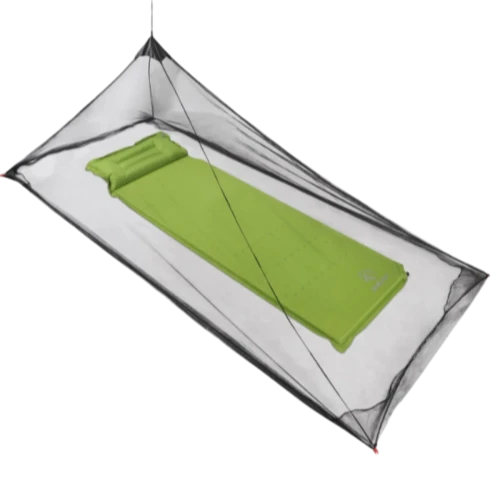
Put simply, a hanging bug net is a fine mesh netting suspended over a sleeping or seating area to create a protected space, preventing insects, mainly mosquitoes, from entering. Traditionally made from polyester or nylon, these nets vary by size, mesh density, and often, insecticide treatment. From a humanitarian perspective, hanging bug nets are essential in disaster relief and refugee situations, where they reduce disease outbreaks in dense living quarters. Industrially, they’re used in remote sites to protect workers from vector-borne illnesses, improving safety and productivity. So, while they seem straightforward, their thoughtful design links directly to improving health outcomes and daily comfort. ---Durability: Built to Last in Tough Conditions
Durability is crucial. High-quality hanging bug nets resist tears, UV degradation, and wear from frequent handling. Many come with reinforced edges and can withstand humid or dusty environments for months or years. This means fewer replacements and more reliable protection. ---Scalability: From Personal Use to Large-Scale Distribution
Scalability matters especially for NGOs and governments. The nets must be easy to manufacture in bulk, lightweight, foldable, and simple to install. Some models feature pop-up frames; others need just a hook or loop system. Logistics ease can make or break campaign success. ---Cost Efficiency: Balancing Price and Performance
Though some premium nets command higher prices due to insecticide treatment or premium materials, the average hanging bug net balances affordability with protection. Costs as low as a few dollars per net have revolutionized prevention campaigns in many low-income regions. ---Ease of Use and Maintenance
It's one thing to distribute a net, quite another for it to be used properly. Nets that are easier to hang, clean, and repair tend to have better uptake and longer functional life. Some modern designs come with repair kits or packaging that doubles as storage bags. ---Where Hang Nets Really Make a Difference: Global Applications
You’ll find hanging bug nets everywhere — from modest homes in sub-Saharan Africa to luxury tent camps in Southeast Asia, and even on adventurous trekking expeditions. - Humanitarian Relief: In post-disaster zones, NGOs distribute millions of hanging bug nets to reduce malaria among displaced populations. - Remote Industrial Camps: Mining or construction teams in tropical forests rely on nets to prevent bites during sleep. - Backyard & Travel Use: Campers and outdoor enthusiasts use hanging bug nets for comfort and protection. - Healthcare Facilities: Some hospitals in malaria-endemic zones install hanging bug nets over beds to protect vulnerable patients. For example, the UNHCR notes that in refugee settlements in Bangladesh's Cox’s Bazar, more than 90% of households have received insecticide-treated hanging bug nets, significantly reducing malaria incidence. ---Advantages That Go Beyond Bug-Free Nights
Hanging bug nets provide cost-effective, chemical-free protection, reducing reliance on pesticides with environmental downsides. They enhance dignity and safety, especially for women and children, by creating a personal shield against nighttime pests. From a sustainability angle, their reusable nature means less waste compared to single-use sprays or coils. Emotionally, the peace of mind they offer can’t be overstated — some users say it’s like having a tiny fortress when the swarms come out. ---The Future: Innovations Emerging in Hanging Bug Net Technology
Modern developments include long-lasting insecticidal nets (LLINs), combining physical barriers with slow-release chemicals that retain effectiveness for years. Smart nets embedded with sensors to detect breaches or temperature changes are in experimental stages. Materials innovation is also underway: biodegradable mesh fabrics respond to environmental concerns, while production methods are shifting toward greener energy and reduced water use. Plus, digital mapping tools help target net distribution more precisely, maximizing impact. ---Challenges and How Experts Are Addressing Them
Despite successes, challenges persist: improper use, wear and tear, and cultural resistance can reduce net effectiveness. In some areas, pests have developed resistance to insecticides, prompting research into alternative treatments. Innovative solutions include community education programs, integrating net distribution with health services, and modular net designs tailored to specific living arrangements. Some NGOs use augmented reality apps to teach correct hanging techniques. ---Frequently Asked Questions About Hanging Bug Nets
Q1: How do hanging bug nets differ from window or door screens?A: While window and door screens protect entire rooms, hanging bug nets provide a personal protective zone around beds or seating areas, often used in locations without window screens. Nets are portable and don’t require structural installation.
Q2: Are hanging bug nets effective against all insects?
A: Primarily designed to block mosquitoes and other small flying insects, the effectiveness depends on mesh size and insect type. Larger pests can typically be excluded; however, ground insects require additional barriers.
Q3: Can I wash and reuse insecticide-treated hanging bug nets?
A: Yes, most LLINs are designed for several washes while maintaining efficacy, but it’s recommended to wash gently using mild soap and avoid harsh detergents to prolong lifespan.
Q4: What is the best way to hang a bug net outdoors?
A: Ideally, using sturdy supports like tree branches or poles with hooks or loops; the net should cover the sleeping area fully without gaps. Some nets are designed for easy pop-up setup.
Q5: Do hanging bug nets protect against ticks or sandflies?
A: Nets are primarily for flying insects. They can help reduce sandflies but are less effective against ticks, which often come from ground contact, requiring additional protection measures. ---
Hanging Bug Net Product Specifications
| Specification | Standard Model | Insecticide-Treated (LLIN) | Pop-up Style |
|---|---|---|---|
| Material | Polyester mesh | Polyester mesh + insecticide | Nylon mesh |
| Mesh Size | 156 holes/inch² | Same as standard | 200 holes/inch² |
| Dimensions | 210cm x 150cm x 100cm | Same as standard | 210cm x 160cm x 110cm |
| Weight | 250g | 280g | 300g |
| Lifespan | 2-3 years | 3-5 years (with care) | 2-3 years |
Comparing Leading Hanging Bug Net Vendors
| Vendor | Product Range | Insecticide Treatment | Price Range (USD) | Global Reach |
|---|---|---|---|---|
| SafeNet International | Standard + LLIN + Custom Size | Yes (Permethrin) | $4 - $15 | Africa, Asia, Americas |
| EcoMesh Solutions | Biodegradable nets, Pop-up designs | No | $6 - $20 | Europe, Asia |
| MosquitoGuard Corp. | LLIN, Industrial Bulk Nets | Yes (Deltamethrin) | $3.50 - $12 | Global |
Final Thoughts: Why You Should Consider a Hanging Bug Net Today
Whether you’re involved in public health, humanitarian work, or just want to reclaim peaceful nights outdoors, hanging bug nets offer a powerful, affordable, and respectful solution. They combine simplicity with innovation and represent a frontline defense that’s stood the test of time — and mosquitoes. If you want to explore products or learn more, take a look at the hanging bug net options available. After all, when it comes to resting easy, the right net might just be your best investment this season. ---References & Further Reading


Latest news
-
Best Guide to Choose a Screen Door for Sliding Door for Your Home
NewsApr.16,2026 -
The Ultimate Guide to Choosing a screen door for a sliding door
NewsApr.09,2026 -
Choosing the Perfect Patio Sliding Screen Door for Your Home
NewsApr.07,2026 -
Choosing the Best Patio Screen Door with Frame for Your Home and Lifestyle
NewsApr.04,2026 -
Comprehensive Guide to Net Sliding Door Price Factors and Options
NewsMar.31,2026 -
Enhance Your Outdoor Space with a Durable Net Sliding Door for Balcony
NewsMar.28,2026 -
Discover the Benefits of Net Door Sliding Systems for Modern Homes
NewsMar.26,2026