

Dec . 02, 2025 16:02 Back to list
Comprehensive Guide to Mosquito Net for Pop Up Tent – Protection & Comfort Worldwide
Understanding the Mosquito Net for Pop Up Tent: A Global Essential
Picture this: you’re setting up camp after a long day of hiking or you’re part of a relief team rolling into a disaster-hit area. The basics of shelter and protection come to the forefront, but so do the tiny, buzzing menaces — mosquitoes. Enter the mosquito net for pop up tent. It’s a simple, yet hugely impactful, accessory that provides a vital shield against disease-carrying insects and ensures peaceful, safe rest no matter where you are.
Globally, mosquito-borne diseases like malaria, dengue, and Zika affect millions yearly — according to the World Health Organization, over 200 million cases of malaria alone occur annually. While conventional mosquito nets have been essential in stationary homes, the rise of portable, pop up tents brings a new arena where mosquito protection must keep pace with mobility. Understanding this product’s benefits isn’t just about comfort — it’s about health, dignity, and practical survival across diverse environments.
Introduction: The Global Relevance of Mosquito Nets for Pop Up Tents
The connection between mosquito nets and health outcomes is well documented, but their role in mobile or temporary shelters is even more pressing. UN reports highlight a significant share of displaced populations worldwide — many find refuge in pop up tents during crises or seasonal migrations. Without effective mosquito netting, these shelters can become hotspots for vector-borne illnesses.
Beyond humanitarian needs, outdoor enthusiasts, travelers, and field researchers routinely face mosquito challenges in diverse climates. Statistics from the International Organization for Standardization (ISO) detail how mosquito nets must meet stringent quality benchmarks depending on the terrain and intended use. This blend of health, convenience, and versatility defines the growing demand for specialized mosquito net for pop up tent solutions.
Definition & Meaning: What Is a Mosquito Net for Pop Up Tent?
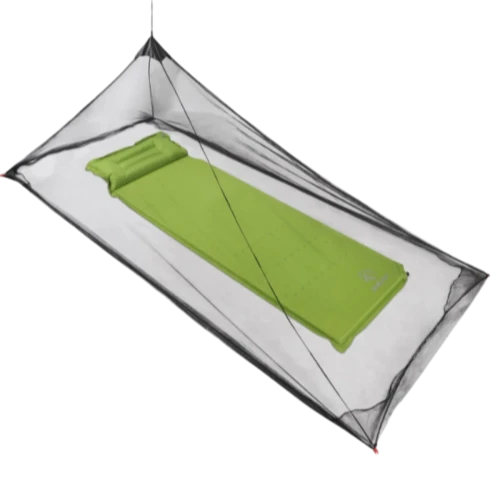
Simply put, a mosquito net for a pop up tent is a lightweight fabric mesh designed to surround the tent’s openings, preventing mosquitoes and other insects from entering the shelter. Unlike fixed netting, this type is tailored for quick installation and removal, often featuring elastic or magnetic attachments that blend easily with the pop up tent’s frame.
Historically, mosquito nets served fixed homes primarily in malaria-endemic zones. Modern adaptations now support mobility without compromising protection — a need that’s become apparent as temporary shelters gain traction in emergency response, recreational camping, and outdoor occupational settings.
Key Factors When Choosing a Mosquito Net for Pop Up Tent
1. Material Durability and Mesh Size
The netting typically uses polyester or nylon — materials known for resilience in handling wear, moisture, and UV exposure. The mesh size balances breathability with protection: too coarse invites bugs in; too fine may reduce ventilation. ISO standards recommend a mesh count around 150 holes per square inch for effective insect exclusion.
2. Ease of Installation & Compatibility
Since pop up tents are prized for speedy setup, the mosquito net must align perfectly without complicating the process. Attachments like magnets, Velcro, or snap buttons contribute to quick mounting. Compatibility with different tent models remains a challenge; universal designs are emerging but often lack a perfect fit.
3. Portability & Weight
Campers and relief workers alike value netting lightweight enough for easy transport. The typical compact carrying pouch facilitates this. A balance must be struck: thin materials weigh less but may sacrifice durability.
4. Chemical Treatment
Some mosquito nets are pre-treated with insecticides like permethrin, adding a layer of active defense. While highly effective, concerns about chemical exposure and environmental impact are leading to a gradual push for untreated nets coupled with improved physical barriers.
5. Cost Efficiency
Affordable pricing drives adoption, especially in humanitarian contexts. Yet, investing a bit more into quality nets often saves money long-term, considering reduced disease risk and longer product life.
Product Specifications of a Typical Mosquito Net for Pop Up Tent
| Feature | Specification |
|---|---|
| Material | Polyester Mesh (Anti-mosquito 150 mesh) |
| Weight | Approx. 250 grams |
| Attachment Method | Magnetic strips & elastic bands |
| Dimensions | Fits tents 2x2 meters footprint |
| Chemical Treatment | Untreated (optional insecticide pre-treatment available) |
Global Applications & Use Cases
Pop up tents coupled with mosquito nets aren’t just for weekend campers — they have a surprisingly broad reach.
- Post-Disaster Relief: Organizations like the Red Cross distribute portable shelters with integrated mosquito nets in regions stricken by floods or earthquakes, where standing water attracts mosquitoes.
- Remote Industrial Sites: Oil, mining, and forestry operations in tropical zones rely on these to protect onsite workers.
- Outdoor Events & Expeditions: From military exercises to scientific research bases in mosquito-heavy zones, these nets are an essential low-tech safeguard.
- Developing Countries’ Rural Health Programs: Extending protection into temporary market stalls or school tents reduces disease transmission.
For anyone working or sleeping outdoors temporarily, a mosquito net for pop up tent offers peace of mind that ordinary tents alone just don’t provide.
Advantages & Long-Term Value
Why bother with a mosquito net? The benefits really stack up — in more ways than one.
- Cost-Effective Health Protection: Preventing mosquito bites reduces vector-borne diseases which, frankly, can incur high treatment and socio-economic costs.
- Environmental Sustainability: Physical barriers avoid overuse of insecticides, which can harm ecosystems.
- Convenience & Flexibility: Easy install/removal adapts to varying shelter needs.
- Enhanced Dignity & Comfort: Being able to rest undisturbed matters more than we often realize, adding a subtle but important emotional benefit for displaced persons.
Vendor Comparison: Leading Mosquito Nets for Pop Up Tents
| Vendor | Material Quality | Installation | Pricing (per unit) | Chemical Treatment Option |
|---|---|---|---|---|
| MosquAway™ | High-grade Polyester | Magnetic strips, quick fit | $25-30 | Yes |
| CampSafe Nets | Nylon Mesh, durable | Elastic loops, snug fit | $18-22 | No |
| EcoShield | Recycled Polyester | Velcro strips, modular | $20-25 | Optional organic treatment |
Future Trends & Innovations
It’s 2024, and the mosquito net for pop up tent isn’t just a static product anymore. Oddly enough, recent R&D is drifting into:
- Smart fabrics: Nets embedded with sensors to detect mosquito density and alert users via smartphone apps.
- Eco-friendly treatments: Increasingly, insect-repellent coatings use botanical extracts rather than chemicals for safer human-environment balance.
- Modular design: Systems that combine shelter, netting, and solar-powered lighting for holistic outdoor habitation solutions.
As mobility and sustainability demands intertwine, mosquito nets for pop up tents will keep evolving — it’s a neat intersection of old-school practicality and new-age innovation.
Challenges & Solutions
Despite their clear value, mosquito nets for pop up tents face some challenges:
- Fit & Compatibility: One-size-fits-all designs often fall short; custom fittings present a higher cost.
- Wear and Tear: Frequent setup can degrade mesh integrity; manufacturers continually experiment with more durable fiber blends.
- Chemical Safety: Balancing repellency and health safety is ongoing — organic repellents offer hope.
- User Education: Proper installation and maintenance are critical, yet sometimes overlooked by users in urgent contexts.
Solutions lie in better user manuals, modular kits, and community feedback loops where end-users report back improvements — a practical “field-driven innovation” that’s been effective in many aid programs.
Frequently Asked Questions About Mosquito Net for Pop Up Tent
Q1: How do I choose the right mosquito net for my pop up tent size?
Check the dimensions of your tent’s footprint (length & width). Most pop up tent nets come in standard sizes like 2x2 meters or 2.5x2.5 meters. It’s best to opt for a net slightly larger than your tent to ensure full coverage. Also, review attachment styles for compatibility with your tent frame.
Q2: Are chemically treated mosquito nets safe to use indoors?
Generally, yes — insecticide treatments like permethrin are widely regarded as safe when used as directed. However, people with chemical sensitivities should consider untreated nets or those with natural repellents. Always follow manufacturer guidelines for treatment re-application intervals.
Q3: Can mosquito nets improve airflow in pop up tents?
Well-designed nets provide good ventilation while blocking insects. Polyester or nylon mesh materials enable airflow to reduce heat buildup. However, extremely fine mesh might limit airflow slightly. Choosing a net with the right mesh density is key.
Q4: How do I clean and maintain a mosquito net for a pop up tent?
Most nets can be gently hand-washed with mild soap and cold water. Avoid harsh detergents or bleach, which degrade fibers. Ensure the net is fully dry before storage to prevent mold. Periodically inspect for tears and repair promptly with patch kits.
Q5: Do manufacturers offer custom mosquito nets for specialized pop up tents?
Yes, some vendors provide bespoke sizing and features for industrial or humanitarian needs, although at a higher price point. This is useful for tents with unusual shapes or integrated ventilation systems.
Conclusion: The Lasting Benefits of Mosquito Nets for Pop Up Tents
When you think about it, the humble mosquito net for a pop up tent is a small frontline hero in health and comfort across the globe. From saving lives in disaster zones to enhancing outdoor experiences for campers and workers, it’s an intersection of engineering, design, and human compassion. If you’re considering adding one to your gear or emergency prep, remember: quality, fit, and ease of use matter most.
To explore a curated selection of top-tier mosquito nets for pop up tents, visit our website at https://www.crscreen.com. Because protection should be simple, smart, and accessible.
In real terms, a good mosquito net turns a night outdoors into a safe haven — isn’t that worth it?
References:


Latest news
-
Best Guide to Choose a Screen Door for Sliding Door for Your Home
NewsApr.16,2026 -
The Ultimate Guide to Choosing a screen door for a sliding door
NewsApr.09,2026 -
Choosing the Perfect Patio Sliding Screen Door for Your Home
NewsApr.07,2026 -
Choosing the Best Patio Screen Door with Frame for Your Home and Lifestyle
NewsApr.04,2026 -
Comprehensive Guide to Net Sliding Door Price Factors and Options
NewsMar.31,2026 -
Enhance Your Outdoor Space with a Durable Net Sliding Door for Balcony
NewsMar.28,2026 -
Discover the Benefits of Net Door Sliding Systems for Modern Homes
NewsMar.26,2026